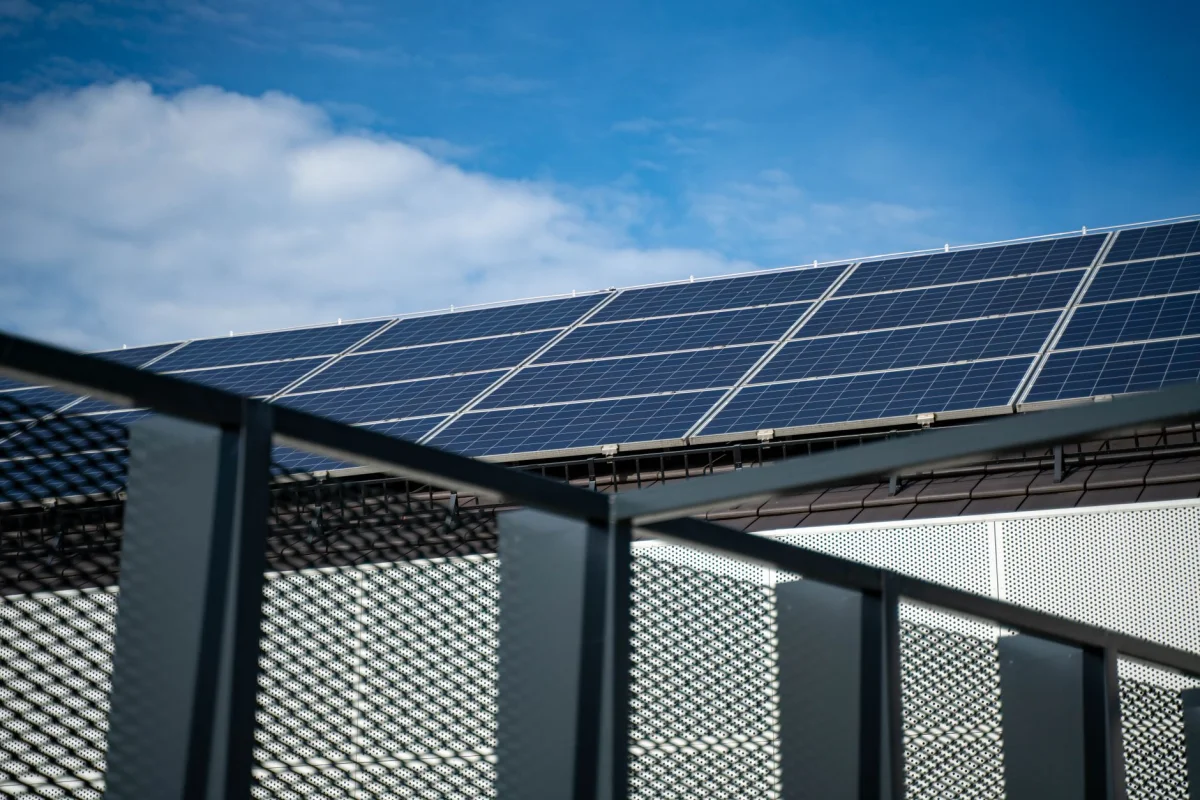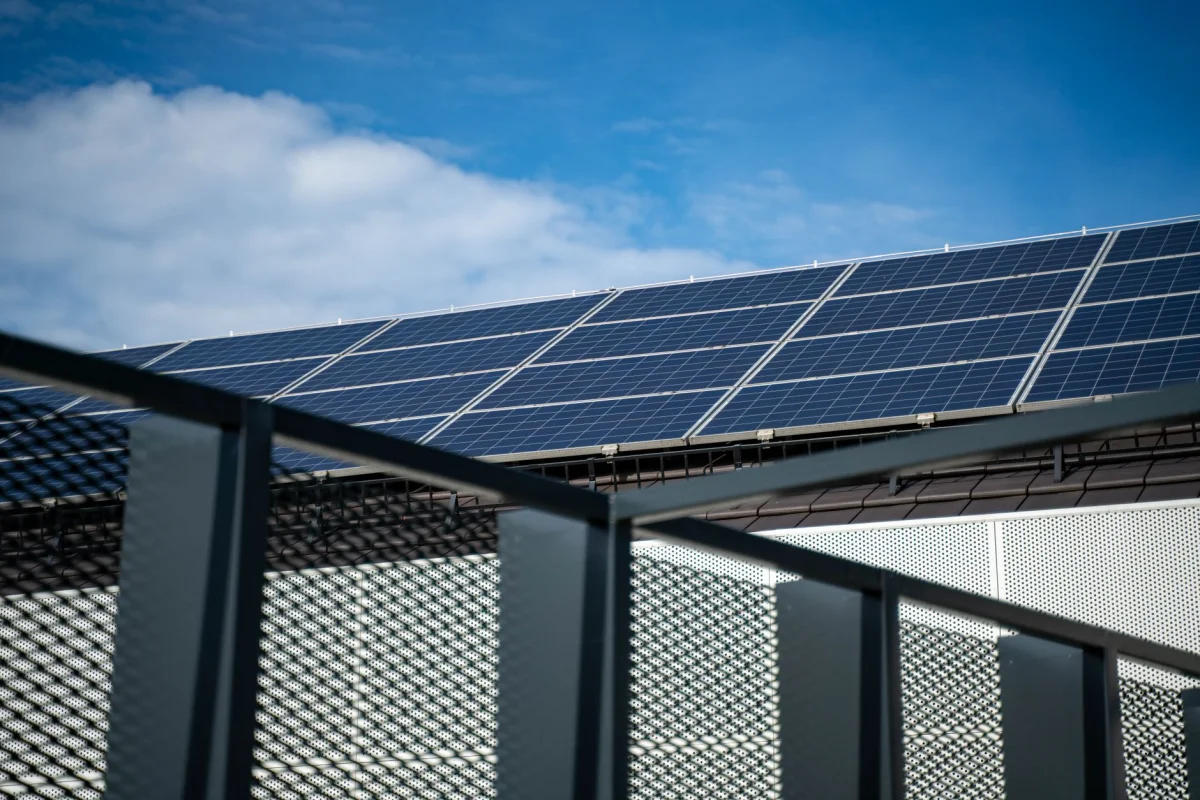
Two homes on the same street can install the exact same solar system, from the same installer, at the same price per watt, and end up with payback periods that differ by three or four years. Nobody lied to either homeowner about the panels or the pricing. The difference is almost always the roof itself: which way it faces, how steep it is, and what shades it during the parts of the day that matter most.
Most online solar calculators and sales quotes treat these as footnotes. They shouldn't be. Orientation, tilt, and shading can swing annual production by 20 to 30 percent on an otherwise identical system, and that swing goes straight into how many years it takes the system to pay for itself.
Why Roof Direction Matters More Than People Assume
In the northern hemisphere, a south-facing roof gets the most consistent sun exposure across the day, which is why installers default to it whenever the roof geometry allows. A pure south exposure isn't mandatory, though. East or west-facing roofs can still work well; they just shift when peak production happens and change the shape of the daily output curve.
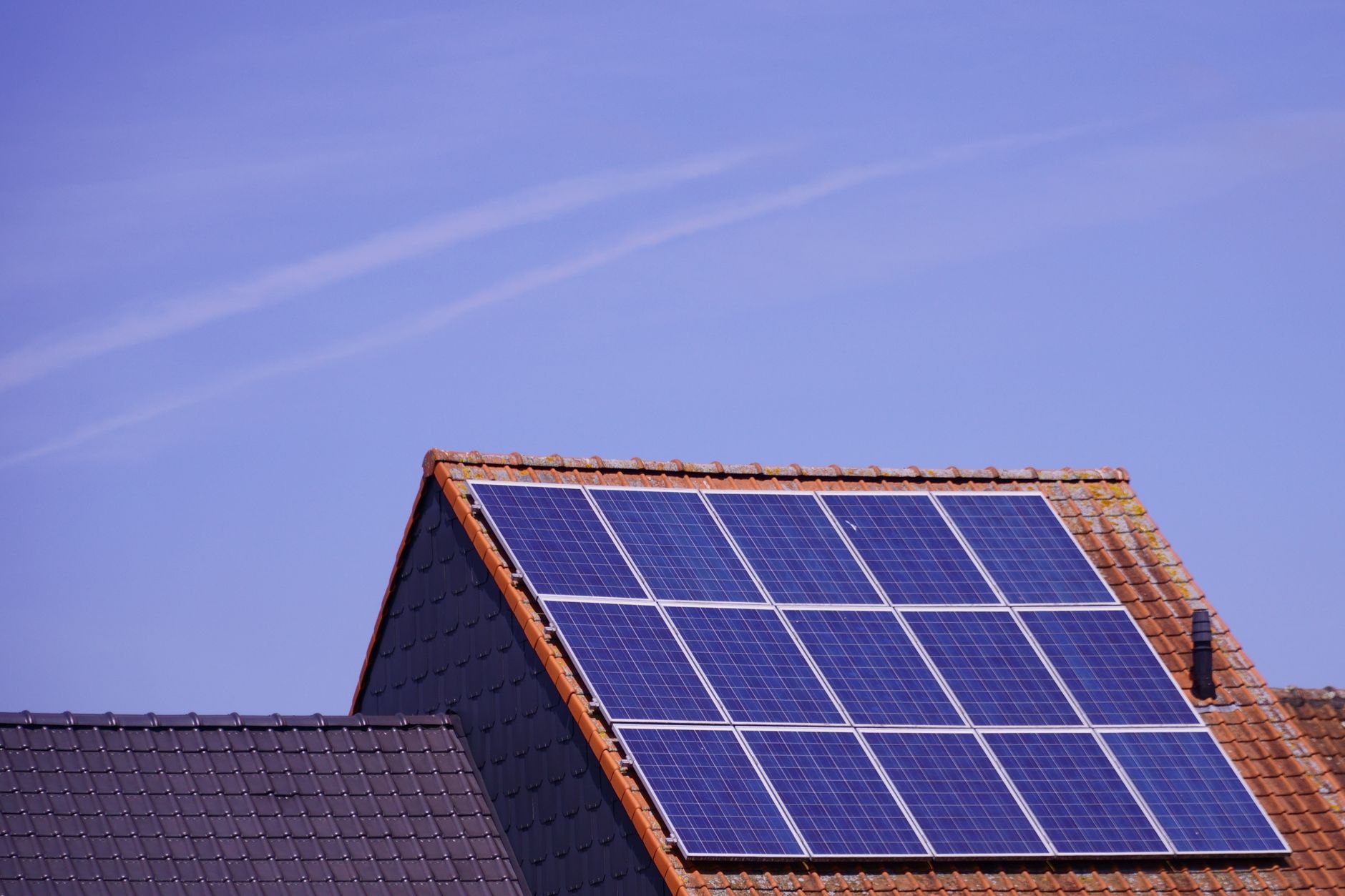 Photo by Budget Bizar on Pexels
A common workaround on roofs without a clean south face is splitting the array across two roof planes, for example east and west. You lose some peak-hour output compared to a full south array, but you gain a flatter production curve through the day, which can actually pair better with how a household actually uses electricity in the morning and evening. The Solar Savings Calculator lets you model a specific roof's orientation instead of relying on a generic regional average, which is the only way to see how much that tradeoff actually costs or saves you.
The Angle Problem: Pitch, Tilt, and Latitude
Roof pitch is the other variable people underweight. The general rule of thumb is that a tilt angle close to your latitude captures the most annual sunlight, because it roughly points the panels at the sun's average position across the year. A roof that's much flatter or much steeper than that ideal loses some production, though rarely enough on its own to kill a project.
Research from the National Renewable Energy Laboratory has shown that moderate deviations from the ideal tilt, within 10 to 15 degrees, typically cost only a few percentage points of annual output. Where tilt actually matters more is in combination with orientation. A steep, poorly oriented roof compounds both problems at once, while a flat roof with the right orientation can sometimes be corrected with mounting racks that adjust the effective angle.
None of this is exotic engineering. It's the same logic solar farm operators use when they choose fixed-tilt versus tracking mounts, just applied at the scale of a single residential roof instead of an open field.
Shading: The Payback Killer Nobody Budgets For
Orientation and tilt are baked into a roof and hard to change without new construction. Shading is different. It moves throughout the day, shifts with the seasons as the sun's path changes, and often gets worse over time as nearby trees grow. It's also the factor most likely to be underestimated in a fast sales quote.
 Photo by can aslantaş on Pexels
A single chimney, dormer, or mature oak that shades even one string of panels for two or three hours a day can meaningfully drag down total system output, especially with older panel and inverter setups where one shaded panel can throttle the output of panels connected to it. Microinverters and power optimizers largely solved this by letting each panel operate independently, so a shaded panel no longer drags down its neighbors. If your roof has any partial shading at all, ask directly whether the quote assumes microinverters, optimizers, or a traditional string inverter, because the answer changes the real-world math significantly.
Seasonal shading is the part people forget entirely. A roof that's clear in July can be shaded for part of the afternoon in December once the sun's angle drops and a neighboring roofline or leafless tree throws a longer shadow. A proper shading analysis, which most reputable installers will run as part of a quote, accounts for this across the full year rather than a single site visit on a sunny day.
A Roof That Needs Replacing Changes the Calculus Too
There's a fourth variable that isn't about angle or shade at all: the physical condition of the roof underneath the panels. Most installers won't put a system on a roof that's within five to seven years of needing replacement, because pulling panels off to reroof and reinstalling them later adds real labor cost on top of the original install.
 Photo by Benjamin Kupke on Pexels
If your roof is already past the midpoint of its expected lifespan, get a roofing estimate before you get a solar quote, not after. Replacing an aging roof first, even though it feels like an unrelated expense, can save more money over the life of a solar system than almost any panel or inverter upgrade, simply because it avoids a second labor bill for removal and reinstallation a few years in. It also means the payback clock you calculate at installation is the real one, not one that gets interrupted by a roofing project halfway through.
How These Factors Change the Actual Payback Math
Put orientation, tilt, and shading together and you get a production estimate specific to your roof rather than a regional average. That estimate is what should drive every other number in a solar decision: system size, monthly savings, and how many years it takes to break even.
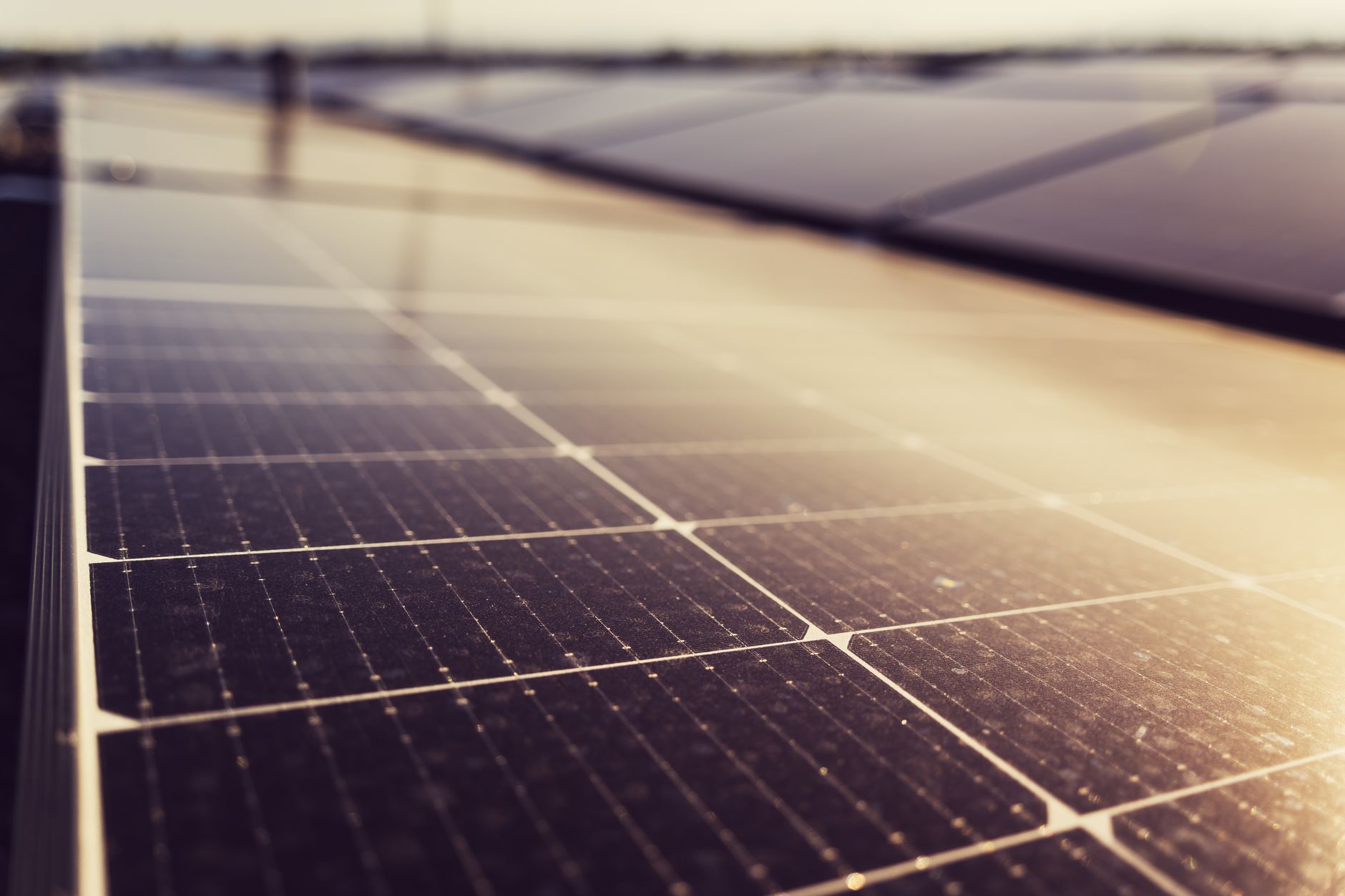 Photo by Michael Pointner on Pexels
The federal residential clean energy credit, detailed on the IRS website, still applies regardless of roof geometry, but it's a percentage of system cost, so a smaller, better-placed system and a larger, poorly-placed one won't get the same dollar value back even if their sticker prices match. Local electricity rates matter just as much. The U.S. Energy Information Administration publishes state-level average rates, and a household paying a high per-kilowatt-hour rate will see a faster payback from the same production than a household paying a low rate, because every kilowatt-hour saved is worth more.
Running your specific numbers, roof-adjusted production, your actual electricity rate, and the after-credit system cost, through the Solar Savings Calculator gives you a payback estimate built on your roof rather than a national average pulled from a sales brochure. That's the number worth comparing across quotes, not the sticker price per watt.
Here's roughly how the pieces fit together in practice. Take two identical 8-kilowatt systems priced the same before incentives. One sits on a south-facing roof at a near-ideal tilt with no shading; the other sits on a west-facing roof with a steeper-than-ideal pitch and a few hours of afternoon shade from a neighboring tree. The first system might produce close to its rated annual output. The second could realistically produce 15 to 25 percent less over a year, even though the hardware and installation cost were identical. That gap alone can stretch a payback period from roughly seven years to nine or more, before either household has changed a single habit about how much electricity they use.
None of this means the second roof is a bad candidate for solar. It means the payback estimate needs to reflect the second roof's actual numbers, not the marketing math for an ideal roof that doesn't describe the house being quoted.
What To Check Before You Get a Quote
A few questions, asked before you sign anything, catch most of the roof-related surprises:
- Ask for a shading report that covers all four seasons, not just the day of the site visit.
- Confirm whether the design uses microinverters or optimizers if any part of the roof has partial shade.
- Get the exact azimuth (compass direction) and pitch the installer measured, not just "south-facing" as a general description.
- Ask how the quoted production estimate compares to a tool like Solar Savings Calculator when you plug in the same roof numbers yourself.
If a quote can't answer these clearly, that's worth treating as a signal on its own. A rough estimate built on a good tool's methodology is worth more than a polished number nobody can explain.
The Bottom Line
Panel brand and price per watt get most of the attention in solar shopping, but roof orientation, tilt, and shading usually explain more of the payback difference between two otherwise similar systems. None of that is a reason to avoid solar. It's a reason to model your specific roof rather than trust a generic estimate.
Photovoltaic technology itself, explained in more depth on Wikipedia, hasn't changed dramatically in the last few years. What has changed is how precisely installers and homeowners can model a given roof before committing, and that precision is where the real savings show up. For background on how solar production estimates get built in the first place, the Department of Energy publishes consumer-facing guidance worth a read before your first quote call.
Before comparing quotes, run your own roof's numbers through EvvyTools' free tools directory and browse the EvvyTools blog for more home energy breakdowns. EvvyTools keeps all of its calculators free to use, no account required, if you want to model a few different roof scenarios side by side.