Somewhere along the way, "20 percent down" turned into a rule instead of what it actually is: one specific threshold that happens to remove one specific cost. Most people repeat it without knowing why that number and not some other one, which means they either save far more than they need to before buying, or they buy with far less information than they should have about what happens next.
The real question isn't "how do I hit 20 percent." It's "what does my down payment amount actually change," because the answer touches your monthly payment, whether you pay for mortgage insurance, how fast you can realistically save, and how much cash you need on closing day beyond the down payment itself.
Why "20 Percent Down" Is Bad Advice for Most Buyers
The 20 percent figure exists because of a single mechanism: private mortgage insurance. Lenders require PMI on conventional loans when your down payment is below 20 percent of the home's value, because a smaller down payment means more risk for the lender if you default early on. Hit 20 percent and PMI generally disappears from the deal entirely.
That's the whole rule. It isn't about affordability, it isn't about being a "serious" buyer, and it isn't a requirement to qualify for a mortgage at all. Plenty of loan programs, including FHA and VA loans, allow down payments well below 20 percent, and even conventional loans commonly go as low as 3 to 5 percent down for qualified first-time buyers.
Treating 20 percent as mandatory just because it's the number most often repeated means some buyers delay a purchase for years chasing a threshold that, once you actually run the math, might cost them more in rent and lost appreciation than the PMI they were trying to avoid.
What PMI Actually Costs You Over Time
PMI typically runs between 0.5 and 1.5 percent of the loan amount per year, split into monthly payments added to your mortgage bill. On a $350,000 loan, that's roughly $1,750 to $5,250 annually, or about $145 to $440 a month, depending on your credit profile and down payment size.
The important detail most people miss: PMI isn't permanent. Under the Homeowners Protection Act, lenders are required to automatically cancel PMI once your loan balance drops to 78 percent of the home's original value, and you can typically request cancellation yourself once you hit 80 percent. For most amortization schedules, that lands somewhere between four and eleven years in, depending on your down payment and interest rate.
That changes the math considerably. PMI isn't a cost you pay forever, it's a cost you pay for a few years while your equity builds. Whether that tradeoff makes sense depends entirely on how the monthly PMI cost compares to what you'd otherwise pay in rent, or lose in appreciation, while you kept saving toward 20 percent.
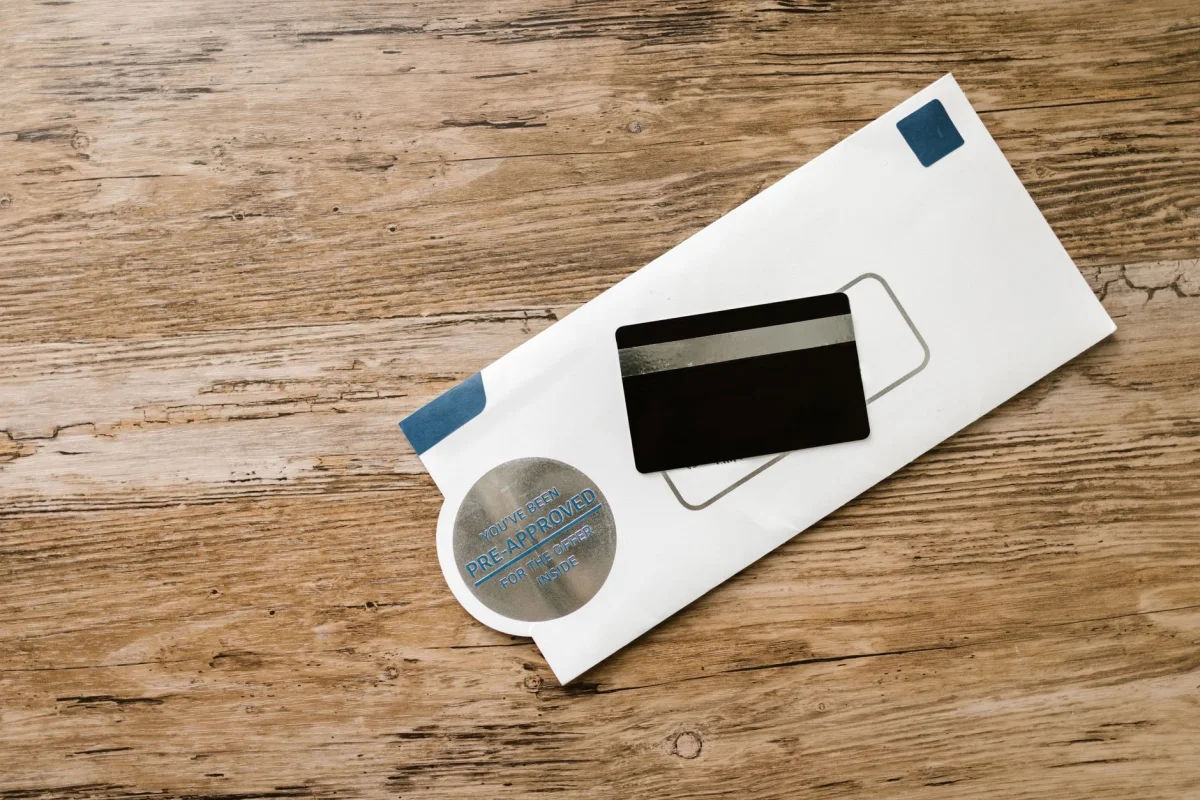
 Photo by Ivan Vi on Pexels
The Down Payment Math Most People Skip
A down payment isn't calculated in isolation. It's one variable in a larger equation that includes your loan amount, your interest rate, your monthly PMI if applicable, and your total monthly housing cost including property tax and insurance. Change the down payment and every other number in that equation shifts with it.
Put down 10 percent instead of 20 percent on a $400,000 home, and you're financing an extra $40,000. At a 7 percent rate over 30 years, that additional principal alone adds roughly $266 a month to your payment, before PMI is even added on top. Run both scenarios side by side rather than fixating on the down payment figure in isolation, because the down payment size and the resulting monthly payment are the two numbers that actually determine whether a purchase is affordable.
This is also where a lot of home-buying spreadsheets fall short. They handle the loan amortization fine, but they don't automatically account for PMI cancellation timing or model how a slightly larger down payment changes both the loan amount and the mortgage insurance simultaneously. Doing that by hand means rebuilding the calculation from scratch for every scenario you want to compare.
It also helps to separate "what I can technically qualify for" from "what I actually want to pay every month." Lenders approve loans based on debt-to-income ratios that leave plenty of buyers with a monthly payment that's technically affordable on paper but tight in practice once utilities, maintenance, and normal life expenses are added back in. Running the down payment math against your own budget, not just the lender's approval threshold, is a separate check worth doing before you commit to a number.
Where Closing Costs Fit Into Your Down Payment Budget
The down payment isn't the only cash you need on closing day. Closing costs, typically 2 to 5 percent of the purchase price, cover loan origination fees, title insurance, appraisal costs, and prepaid items like the first year of homeowners insurance and property tax escrow.
On a $400,000 purchase, that's an additional $8,000 to $20,000 beyond your down payment. Buyers who save exactly enough for a 10 or 20 percent down payment and nothing more often get blindsided by this at the closing table, sometimes late enough in the process that it delays or jeopardizes the sale.
The U.S. Department of Housing and Urban Development publishes guidance on what closing costs typically include and which ones are sometimes negotiable with the seller. Building a closing cost buffer into your savings target from the start, rather than treating it as a separate problem to solve later, avoids a scramble in the final weeks before you close.
Building a Savings Timeline That Matches Your Timeline to Buy
Once you know your target down payment plus a closing cost buffer, the next question is how long it actually takes to get there at a realistic monthly savings rate. This is where a lot of down payment planning falls apart, because people set a dollar target without connecting it to a specific monthly contribution and a specific date.
Working backward from a target home-buying date changes the plan considerably. Saving $30,000 in three years requires roughly $833 a month before any interest on savings. Saving the same amount in five years requires about $500 a month. Neither number is right or wrong, but the gap between them is often the difference between a plan someone can actually stick to and one that quietly falls apart after a few months.
 Photo by Towfiqu barbhuiya on Pexels
Down Payment Assistance Programs Worth Checking Before You Assume You Need 20 Percent
State and local housing agencies, along with some employers and nonprofit programs, offer down payment assistance in the form of grants, forgivable loans, or low-interest second mortgages specifically for the down payment. Eligibility usually depends on income limits, first-time buyer status, and the property's location and price.
These programs are widely underused, partly because buyers assume they don't qualify or don't know where to look before assuming they have to save the entire amount alone. Checking eligibility takes an afternoon and, for buyers who qualify, can shorten a savings timeline by years. It's worth doing before locking in a savings plan that assumes zero outside help.
How Loan Type Changes the Minimum You Actually Need
The minimum down payment isn't fixed. FHA loans allow as little as 3.5 percent down for borrowers with a credit score of 580 or higher. VA loans, available to eligible veterans and service members, allow 0 percent down with no PMI at all, replaced by a one-time funding fee. Conventional loans through Fannie Mae or Freddie Mac offer 3 percent down programs for qualifying first-time buyers.
Each option trades off differently. FHA loans carry mortgage insurance premiums that, unlike conventional PMI, often can't be canceled without refinancing. Fannie Mae's and Freddie Mac's conventional programs typically offer more flexibility once you hit 20 percent equity, but usually require a stronger credit profile to access the lowest down payment tiers. Matching the loan type to your actual credit and savings situation matters more than defaulting to whichever number is most commonly quoted.
When Putting More Down Doesn't Make Financial Sense
There's a point where saving for a larger down payment stops being the financially optimal move, even though it feels responsible. If your mortgage rate is lower than what you could reasonably earn investing that same money elsewhere, putting extra cash toward the down payment beyond what's needed to avoid PMI can mean a lower long-term return than keeping the money invested.
This isn't universal advice to put down the minimum and invest the rest. It depends on your risk tolerance, how the loan-to-value ratio affects your specific loan terms, and how much cash cushion you want on hand after closing. But it's worth running the comparison explicitly rather than assuming more down payment is automatically the better outcome in every case.
Keeping a cash reserve on hand after closing matters just as much as the down payment itself. Buyers who put every available dollar into the down payment and closing costs sometimes end up house-rich and cash-poor the moment an unexpected repair or a job change shows up. A down payment plan that leaves a small emergency cushion intact is usually more resilient than one that maximizes the down payment at the expense of every other financial buffer.
Building Your Own Savings Plan Step by Step
Start with the home price range you're actually targeting, not an aspirational one. From there, calculate the down payment at a few different percentages, typically the minimum for your likely loan type, the PMI-avoiding 20 percent mark, and one point in between.
Add your estimated closing costs to each scenario, then divide by your realistic monthly savings capacity to get a timeline for each option. Comparing all three side by side, rather than committing to one number up front, usually reveals which threshold actually makes sense given how fast you want to buy and how much monthly payment you're comfortable carrying afterward.
 Photo by cottonbro studio on Pexels
Where the Free Calculator Fits
Running all of this math by hand, and rerunning it every time you adjust a variable, gets old fast. The Down Payment Calculator handles the full picture in one place: it models PMI cost and cancellation timing, estimates closing costs based on your target price range, and builds a savings timeline based on your monthly contribution, so you can compare a handful of down payment scenarios side by side instead of rebuilding a spreadsheet for each one.
For more free calculators covering the rest of the home-buying and money-planning process, browse the EvvyTools tools directory, or check the EvvyTools blog for more breakdowns like this one. Start from the EvvyTools homepage to see the full catalog of free tools.