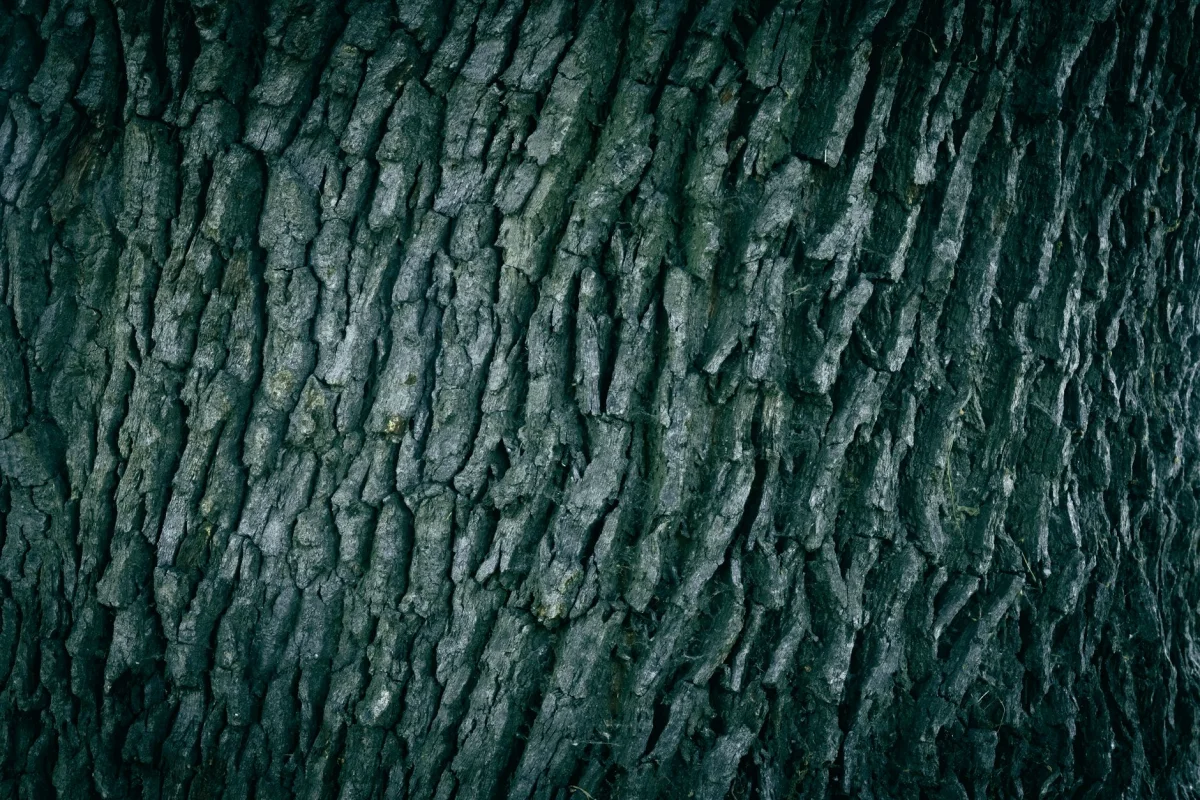
Somebody always asks it at a family gathering: how old is that oak in the backyard? The honest answer is usually a shrug, because the only textbook-accurate method involves either cutting the tree down and counting rings or drilling a core sample out of the trunk. Neither is something most homeowners are willing to do to a tree they like.
There is a middle path. Arborists have used trunk-diameter growth formulas for decades to put a reasonable number on a living tree's age without touching it beyond a tape measure. It is not tree-ring precision, but it is close enough for insurance appraisals, historical curiosity, and deciding whether that "champion tree" claim in the neighborhood group chat holds up.
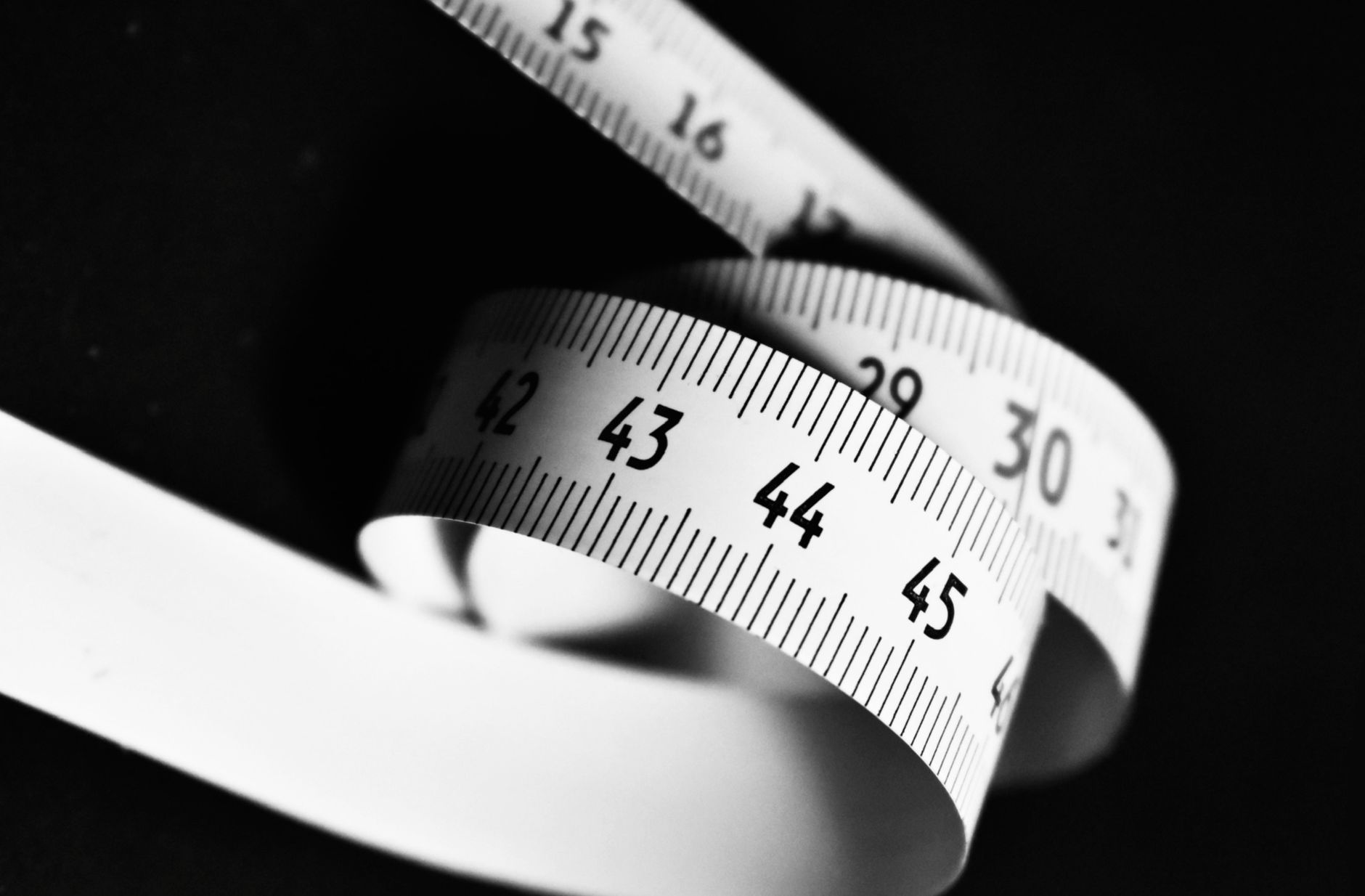 Photo by Semanur Çoban on Pexels
Why You Can't Just Count Rings From the Outside
Tree rings form because growth rate changes with the seasons. In temperate climates, a tree adds a lighter band of fast spring growth and a darker band of slower summer and fall growth every year, and that annual pair is what shows up as a ring in cross-section. The catch is that the rings are internal. You cannot see them without a cut surface.
Foresters get around this with an increment borer, a hollow drill bit that extracts a pencil-thin core of wood from bark to center. It is minimally invasive when done correctly and the standard method for scientific dendrochronology. But it still leaves a wound, requires training to do without damaging the tree, and is overkill for someone who just wants a ballpark figure for the maple in their front yard.
The Trunk Diameter Method
The workaround arborists actually use day to day is a correlation between trunk diameter and age, expressed through a per-species growth factor. The idea is simple: species that grow fast add wood quickly and reach a given diameter sooner, while slow growers like oaks take much longer to reach the same girth.
The formula looks like this:
Age = DBH x Growth Factor
DBH stands for diameter at breast height, measured at 4.5 feet above the ground, which is the standard measurement point used across forestry and arboriculture. The growth factor is a number assigned to each species based on how many years it typically takes to add one inch of diameter.
A silver maple, which grows quickly, might have a growth factor around 3, meaning roughly three years per inch of diameter. A white oak, which grows slowly and lives far longer, might carry a growth factor closer to 5. Multiply the DBH by that factor and you get an age estimate.
Measuring DBH Correctly
Getting a usable estimate starts with measuring diameter correctly, and this is the step most people get wrong.
- Find the point 4.5 feet up the trunk from ground level on the uphill side if the tree is on a slope.
- Wrap a flexible tape measure around the trunk at that height to get the circumference, not the diameter directly.
- Convert circumference to diameter by dividing by pi (roughly 3.14159). A 94-inch circumference gives a diameter of about 30 inches.
- If the trunk forks below 4.5 feet, measure each stem separately and use the larger one, or follow your local urban forestry guidelines for multi-stem specimens.
Skipping the circumference-to-diameter conversion is the single most common error. People wrap the tape around the trunk, read the number off the tape, and plug that circumference straight into the formula as if it were diameter. That overstates the age by roughly a factor of three, which is a big enough error to make the whole exercise pointless.
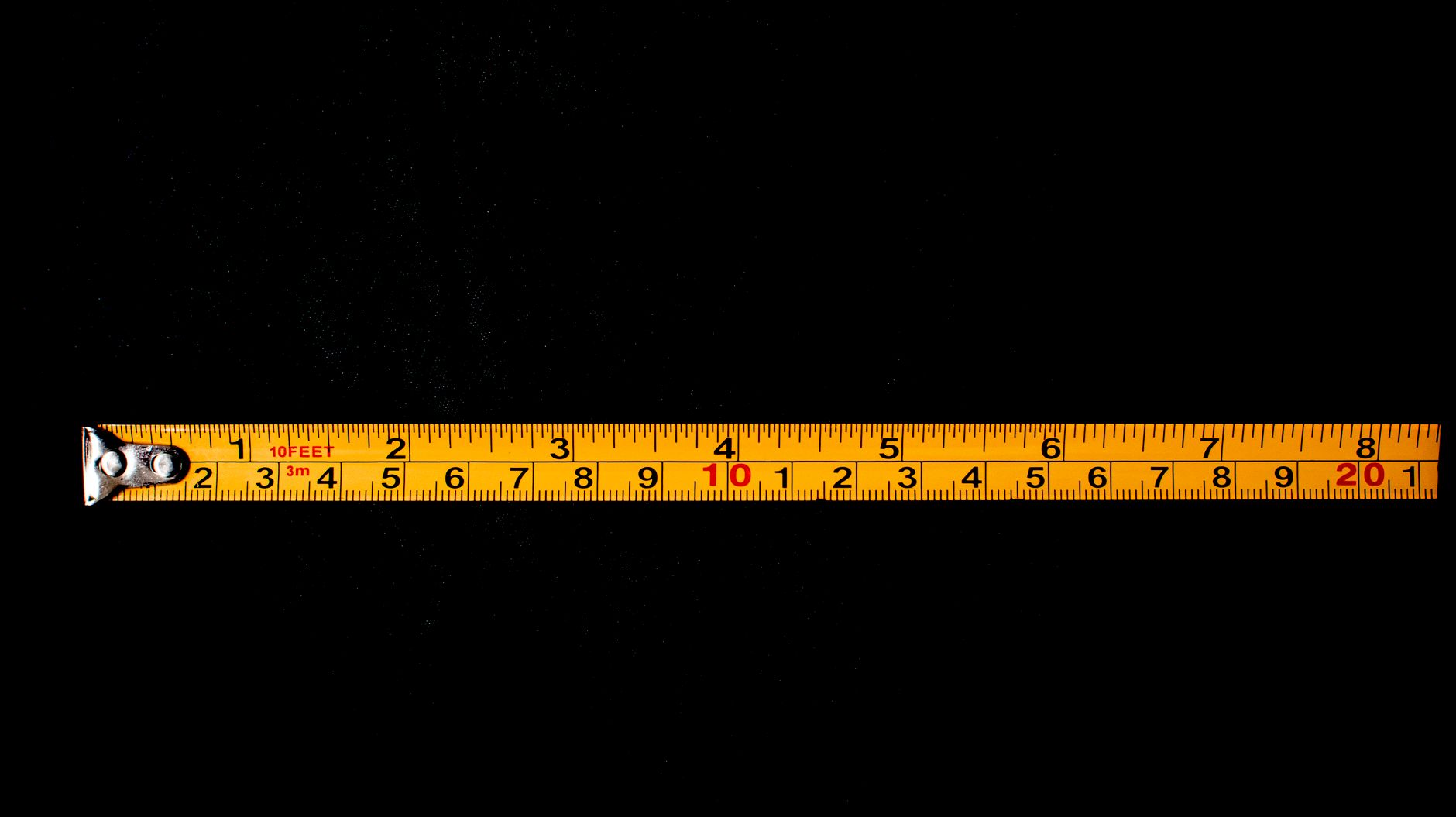 Photo by Nothing Ahead on Pexels
Where the Growth Factors Come From
The species-specific growth factors used in this method trace back to research and field data compiled by the International Society of Arboriculture, the professional body that certifies arborists and maintains standards for tree care practices in North America. Their published tables cover dozens of common landscape and forest species, each with a growth factor derived from average annual diameter increase under typical growing conditions.
It is worth being clear about the word "typical" there. A tree growing in compacted urban soil next to a parking lot will grow more slowly than the same species in a nutrient-rich forest understory, so the formula assumes moderate, unstressed growing conditions. Site quality, competition from nearby trees, soil compaction, and local climate all push the real answer up or down from the formula's estimate.
Building an Age Estimate Yourself
Once you have an accurate DBH measurement and the right growth factor for the species, the arithmetic is straightforward. A 30-inch-diameter white oak with a growth factor of 5 comes out to roughly 150 years old. The same 30-inch diameter on a silver maple with a growth factor of 3 comes out closer to 90 years.
That gap matters. Two trees standing next to each other with identical trunk diameters can be separated by 60 years of actual age purely because one species puts on wood faster than the other. Species identification has to come before the math, or the estimate is meaningless.
For anyone who wants to run several trees through the calculation without doing the diameter conversion and multiplication by hand each time, EvvyTools built a Tree Age Estimator that handles the DBH conversion, applies the correct ISA-based growth factor across more than 40 species, and also estimates the tree's typical lifespan and how much CO2 it has stored based on its size. It is aimed at people cataloging multiple trees on a property rather than doing a single one-off calculation.
Why Coring Is Still the Gold Standard, and Why Most People Should Skip It
Increment coring remains the accurate method because it counts actual rings rather than inferring age from an average growth rate. Researchers doing serious dendrochronology, the science of dating events and environmental conditions through tree-ring analysis, rely on coring or cross-sections because published research on the topic needs the precision a correlation formula cannot provide. The Wikipedia entry on dendrochronology covers how ring-width patterns are cross-referenced across specimens to build regional chronologies stretching back thousands of years.
For a homeowner, coring means buying or borrowing specialized equipment, learning to use it without introducing decay pathways into the wood, and accepting some risk of harming a tree you presumably like enough to be curious about. The diameter method sacrifices precision for a completely non-invasive process that takes five minutes with a tape measure.
When the Estimate Will Be Off
A few situations push the diameter formula further from reality than usual. Trees that have been through major storm damage, heavy pruning, or transplant stress often show a growth ring pattern that does not match the smooth average the formula assumes, since the plant redirects energy to recovery instead of steady diameter growth for a period. Trees growing in deep shade under a forest canopy grow slower than the open-grown specimens the standard growth factors are usually calibrated against. And multi-stemmed or heavily forked trees complicate the DBH measurement itself, since which stem represents "the tree" becomes a judgment call.
None of this makes the method useless, it just means treating the output as a solid estimate with a margin of error rather than a certified age. For anything requiring precision, such as a legal dispute over a protected or historic tree, coring by a certified arborist and possibly a formal Arbor Day Foundation consultation is worth the extra effort.
"The diameter method gets people in the right decade almost every time, which is usually the actual question. Nobody calling about a big oak in their yard needs to know it is exactly 147 years old. They need to know if it predates their house." - Dennis Traina, founder of 137Foundry
A Quick Reference for Common Species
While exact growth factors vary by regional growing conditions, the rough ranges most arborists work from look like this: fast growers like silver maple, cottonwood, and willow sit around 2 to 4 years per inch of diameter. Moderate growers including red maple, most elms, and ash species run closer to 4 to 6 years per inch. Slow, long-lived species like white oak, beech, and hickory can run 5 to 8 years per inch or higher depending on site conditions.
That spread is exactly why species identification is the first step, not an afterthought. Running the wrong growth factor through an otherwise perfect diameter measurement produces a confidently wrong answer, which is worse than not knowing at all.
What the Number Is Actually Useful For
People reach for a tree age estimate for a handful of practical reasons, and it helps to know which bucket you fall into before you get attached to the precision of the number. Homeowners doing due diligence before buying a property often want to know whether a large shade tree predates the house, since that can hint at root system maturity and whether the tree was planted intentionally or is a volunteer that grew up alongside construction. Insurance adjusters sometimes use rough age alongside species and condition to judge whether a tree is nearing the end of its typical lifespan and more likely to fail in a storm.
Municipal tree inventories use the same diameter-based approach at scale, cataloging thousands of street trees without coring a single one, because the point of the exercise is relative comparison across a population rather than pinpointing any individual tree's exact birth year. Many cities publish their methodology alongside guidance from groups like the U.S. Forest Service, which funds urban forestry research and tree inventory standards used by municipal foresters nationwide. If a city forester needs to flag which trees in a neighborhood are approaching the end of a species' typical lifespan for proactive removal planning, a diameter-based estimate across every tree on the list is far more practical than sending a crew out to core each one.
Genealogy and local history buffs are a smaller but enthusiastic group. A family clearing an old homestead sometimes wants to know if the walnut tree out back was planted by a specific relative, and a rough decade-level estimate combined with old photographs or deed records can settle the question well enough for a family story, even without scientific certainty.
The Bottom Line
Estimating a tree's age from trunk diameter will not settle a scientific debate, but it will answer the question that actually gets asked at the barbecue: roughly how old is this thing. Measure DBH correctly, identify the species accurately, apply the right growth factor, and you have a defensible estimate without putting a single hole in the bark. For anyone dealing with more than one tree on a property, running each through a calculator built around the same ISA growth-factor data beats doing the diameter conversion by hand every time, and it is a reasonable starting point before deciding whether a tree is worth a professional's closer look.
Browse the full tools directory for more calculators like this one, or check the blog for other practical guides on getting real numbers out of everyday questions.