Most homeowners find out their coverage was wrong at the worst possible moment: after a fire, a burst pipe, or a tree through the roof, when the insurance check comes in thousands of dollars short of what it actually costs to rebuild. The policy was never flagged as a problem before that, because nothing about a normal year forces anyone to check the numbers.
That gap is more common than people assume. Coverage limits get set once, usually at closing, and then quietly drift out of date while renovation costs, material prices, and the value of everything inside the house keep changing. Understanding what your policy is actually promising to pay, and where that promise tends to fall short, is the only way to catch the gap before a claim does.
What "replacement cost" actually means
The dwelling coverage number on your policy is supposed to reflect what it would cost to rebuild your home from the ground up at current construction prices, not what you paid for the house or what it would sell for today. Those three numbers can differ by a large margin, and confusing them is the single most common coverage mistake.
Market value includes the land underneath the house, and land doesn't burn down or get carried off by a flood. Rebuild cost only reflects the structure itself, but it has to account for current labor rates, material costs, and code-required upgrades a decades-old home might not have needed when it was originally built.
Most policies default to a replacement cost estimate calculated when the policy was written, then adjust it slightly each year using a generic construction cost index. That index is regional and broad. It has no idea your specific house has a slate roof, custom millwork, or a kitchen that was renovated three years ago at prices the index never saw.
Why the number on your policy might already be wrong
 Photo by Brett Sayles on Pexels
Construction and material costs move faster than most people update their insurance. Lumber, roofing, and skilled labor pricing can shift meaningfully within a single year, and a policy that was accurately priced three years ago can be understated today without a single change happening to the house itself.
Renovations compound the problem. Adding a bathroom, finishing a basement, or upgrading a kitchen increases what it would cost to rebuild the home, but insurers only find out about that increase if the homeowner tells them. Most people update coverage when they think about it, which is rarely the same year the renovation happened.
The Insurance Information Institute publishes regular research on how often homes end up underinsured relative to true rebuild cost, and the pattern holds across regions: the gap tends to grow quietly for years before anyone notices, usually right when a claim forces the comparison.
Personal property coverage: the part everyone underestimates
Dwelling coverage gets most of the attention because it's the largest number on the page, but personal property coverage, the portion that pays for furniture, electronics, clothing, and everything else inside the house, is where people are most likely to be caught short. Most policies set this as a flat percentage of dwelling coverage, often 50 to 70 percent, whether or not that number reflects what's actually inside.
Nobody keeps a running inventory of their belongings in their head, and most people wildly underestimate the total replacement value of a fully furnished home when asked to guess. Appliances, electronics, clothing, kitchenware, and furniture add up fast once you actually walk room by room and price out what a genuine replacement would cost.
 Photo by cottonbro studio on Pexels
A room-by-room inventory, even a rough one done from memory with photos as backup, is the only reliable way to know whether the flat percentage your policy assumed is anywhere close to reality. Most people only build one after a loss forces them to, which is exactly backwards.
Liability coverage: the piece with no physical price tag
Liability coverage doesn't map to anything you can see or touch, which is probably why it gets the least attention of the three main coverage types. It pays for injuries or property damage you're legally responsible for that happen on your property, plus legal defense costs if you're sued over it.
Standard policies often default to limits that made sense decades ago and have not kept pace with the size of a typical liability judgment today. A slip-and-fall on an icy walkway or a dog bite claim can produce a settlement well above a default limit, at which point the difference comes directly out of pocket.
The right liability limit isn't really about the house at all, it's about your overall financial exposure: assets, income, and how much a worst-case lawsuit could realistically claim. People with meaningful savings or a paid-off home generally need higher liability limits than the policy's default assumes, not because the house is riskier but because there's more to protect.
How deductible choice quietly changes your real cost
The deductible is the one number homeowners actually choose deliberately, and it has a bigger effect on the total cost picture than most people realize. A higher deductible lowers the premium, sometimes substantially, but it also raises the amount you'd need to cover out of pocket before insurance contributes anything at all.
The right deductible depends on your emergency savings, not just the premium savings on offer. A $2,500 deductible that saves $200 a year only makes sense if you'd actually have $2,500 available without financial strain when something breaks, which isn't true for every household regardless of income.
Some regions also carry separate, higher deductibles for specific perils like wind, hail, or named storms, often expressed as a percentage of dwelling coverage rather than a flat dollar figure. A 2 percent wind deductible on a $400,000 dwelling limit is $8,000, a number that's easy to miss buried in policy language until a storm makes it very real.
Region and build quality change everything
 Photo by Joaquin Carfagna on Pexels
Rebuild cost per square foot varies enormously by region, driven by local labor rates, material availability, and permitting requirements that have nothing to do with home value. Two identical houses in different metro areas can have meaningfully different accurate replacement costs, even if their market values happen to be similar.
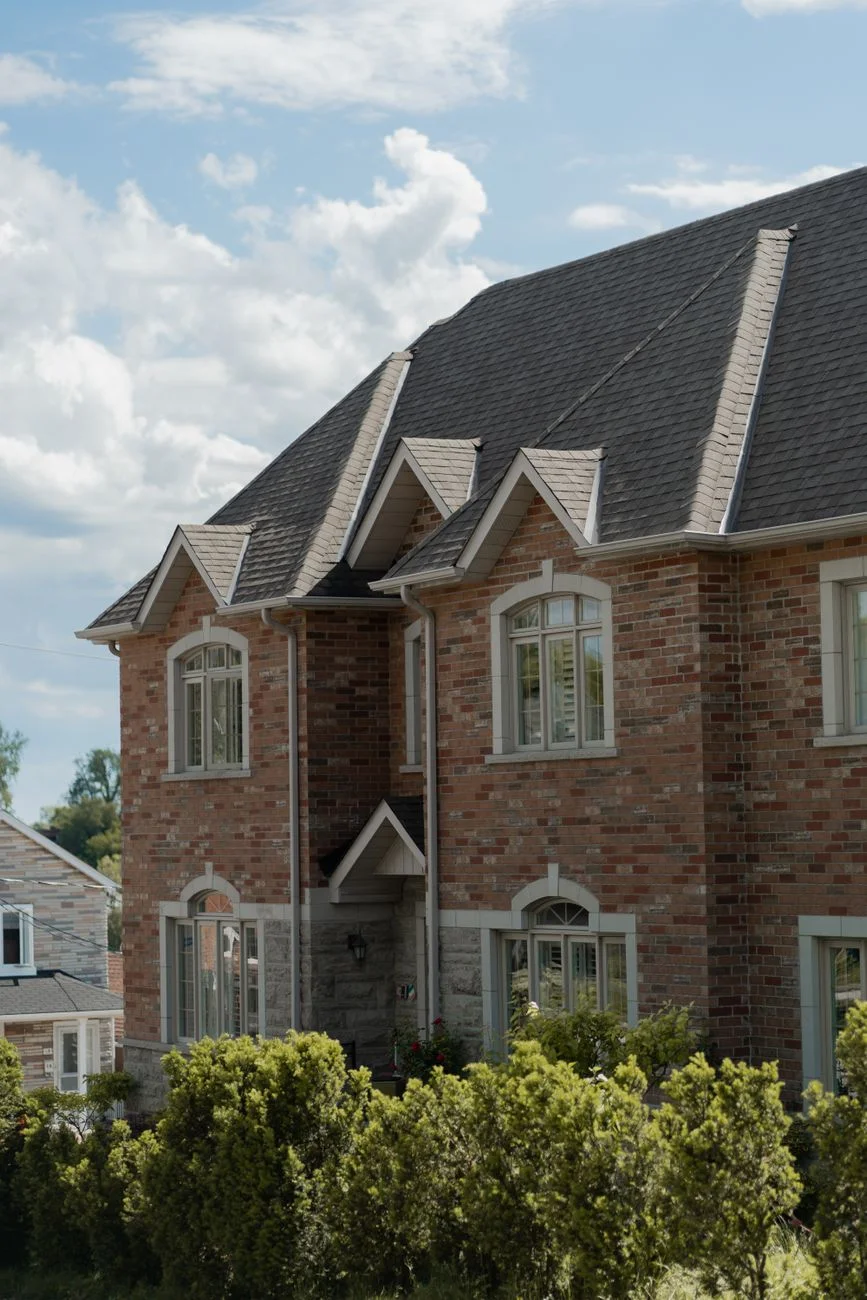
Build quality and materials matter just as much. A home with custom stonework, high-end cabinetry, or an architecturally complex roofline costs more to rebuild than a comparably sized production-built home with standard finishes, and a generic regional average won't capture that difference on its own.
Homes in areas with elevated wildfire, flood, or wind risk also face their own coverage wrinkles. Standard homeowners policies generally exclude flood damage entirely, which is why the National Flood Insurance Program exists as a separate policy for homeowners in flood-prone areas, something a lot of people only discover after water damage that wasn't covered.
Wildfire-prone regions carry their own version of the same problem. Insurers increasingly price coverage based on defensible space and building materials, and the National Fire Protection Association publishes home-hardening guidance that can affect both risk and, in some states, the premium an insurer is willing to offer at all.
What a proper coverage calculator does differently
A generic replacement cost estimate applies a broad regional multiplier to your home's square footage and calls it done. A calculator built specifically for coverage adequacy asks about region, build quality, square footage, and recent renovations separately, then estimates dwelling replacement cost, a realistic personal property figure from an actual room-by-room inventory, and a liability recommendation based on your broader financial picture.
That's the gap the free Home Insurance Coverage Calculator from EvvyTools is built to close. It walks through dwelling replacement cost by region and build quality, a guided personal property inventory builder instead of a flat percentage guess, liability recommendations sized to your actual exposure, and a deductible impact analysis so you can see the real tradeoff instead of just the premium quote.
Running your actual numbers through a tool like that, rather than trusting whatever figure was set when the policy was originally written, is the fastest way to see whether there's a real gap worth raising with your insurer before you need to file a claim, not after.
A simple workflow to check your own numbers
Start with the dwelling figure. Compare your policy's stated replacement cost against a fresh estimate based on your home's actual square footage, region, and current finish quality, not the number that was accurate when the policy was first written years ago.
Move to personal property next. Walk through the house room by room, listing higher-value items and rough replacement prices as you go, and compare the total against the flat percentage your policy currently assumes. Photograph anything valuable as you go, since that documentation matters just as much if a claim ever happens.
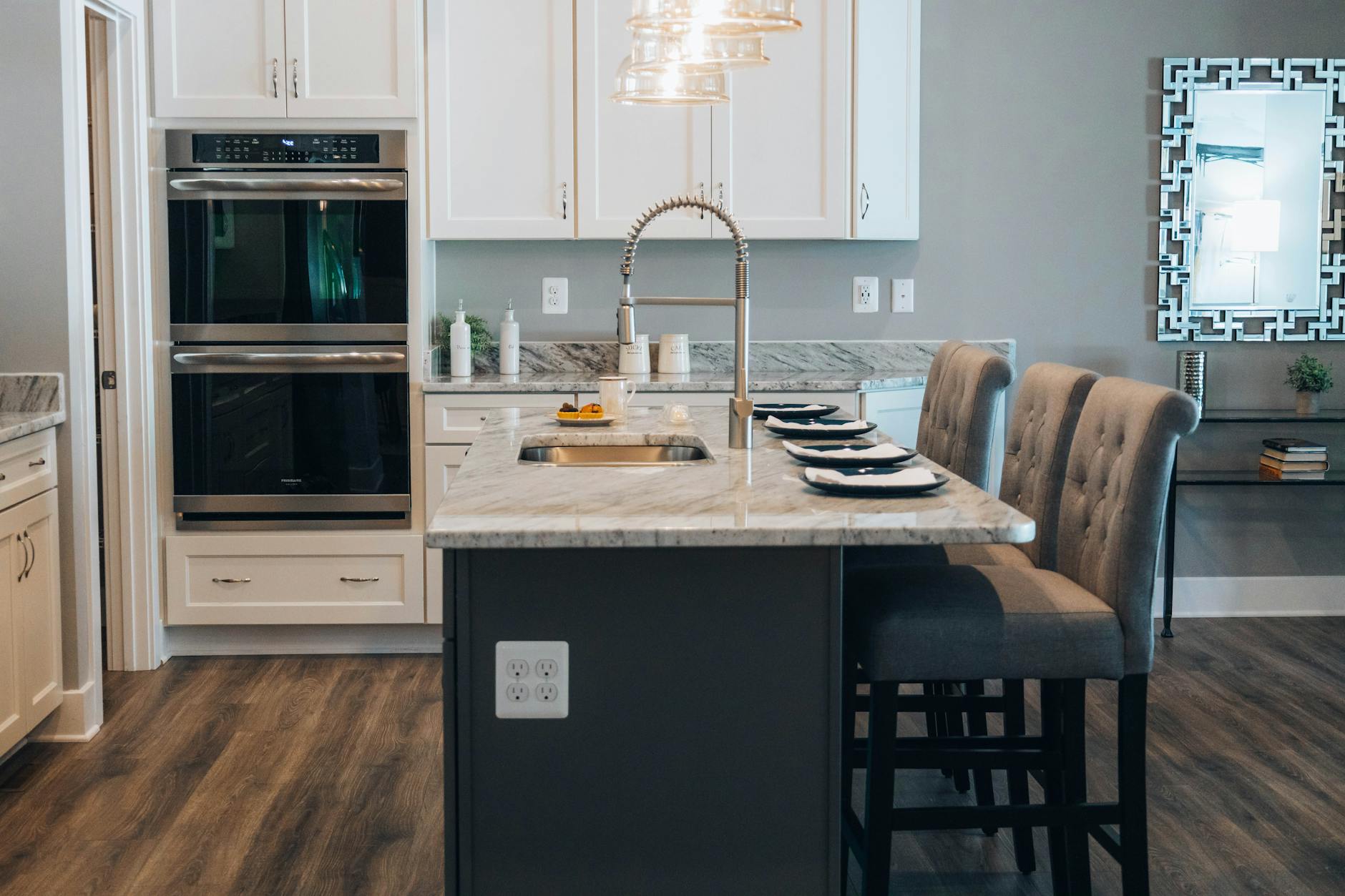 Photo by Samuel Peter on Pexels
Finish with liability and the deductible. Size liability coverage to your actual assets and income rather than the policy default, and pick a deductible you could genuinely absorb without financial strain if something happened tomorrow, not just the one that produces the lowest premium quote.
When to loop in an agent or adjuster
None of this replaces an actual conversation with your insurance agent, but it changes that conversation from a passive yearly renewal into a specific ask. Walking in with your own replacement cost estimate, inventory total, and target liability limit gets you a far more useful conversation than asking an agent to just tell you what you need.
The National Association of Insurance Commissioners offers state-level consumer resources if you want to understand how your state regulates minimum coverage requirements and dispute processes, which varies more than most homeowners expect between states.
If a real gap turns up between your current coverage and what a proper calculation suggests, that's worth raising at your next renewal rather than waiting for the policy to auto-renew unchanged again. The concept insurers call replacement value exists precisely because market value and rebuild cost diverge, and checking that gap yourself once a year costs nothing compared to discovering it during a claim.
For more free calculators like this one, browse the EvvyTools tools directory or the blog hub for related coverage and financial-planning breakdowns.