
The number on your pre-approval letter is not what you will owe at closing. That number is the loan amount. Closing costs sit on top of it, and for most buyers they land somewhere between 2 and 5 percent of the loan, due in cash or wired funds on the day you sign. If nobody has walked you through where that money actually goes, the total on your closing disclosure can feel like it appeared out of nowhere.
It didn't. Every line on that form maps to a specific service, fee, or prepaid expense, and most of them are negotiable, shoppable, or at least predictable if you know what to look for ahead of time.
What "Closing Costs" Actually Means
Closing costs are the fees and prepaid expenses required to finalize a real estate transaction, separate from the down payment itself. They cover the lender's work to originate the loan, third-party services like the appraisal and title search, government recording fees, and prepaid items like homeowners insurance and property tax reserves.
 Photo by Artful Homes on Pexels
The Consumer Financial Protection Bureau requires lenders to send a Closing Disclosure at least three business days before closing, listing every fee individually. That document is the real source of truth. Estimates you get earlier in the process, including from a closing cost calculator, are only as accurate as the assumptions behind them, which is exactly why the actual disclosure sometimes surprises people who skimmed a rough number months earlier.
The Line Items That Make Up Your Total
Closing costs break into a handful of categories, and they show up on nearly every transaction:
Loan origination fees. What the lender charges to process, underwrite, and fund the loan. Sometimes bundled as a single "origination fee," sometimes split into application, underwriting, and processing fees.
Appraisal fee. Pays a licensed appraiser to confirm the home's value supports the loan amount. Lenders require this; you don't get to skip it even if you're confident in the price.
Title search and title insurance. A title company confirms the seller actually owns the property free of liens, then issues insurance protecting the lender (and optionally you) against a title defect surfacing later.
Recording fees. What your county charges to officially record the deed and mortgage. Small, fixed, and non-negotiable.
Escrow and settlement fees. Payment to whoever runs the closing itself, whether that's a title company, attorney, or escrow agent depending on your state.
Prepaid items. Homeowners insurance premium, property tax reserves, and prepaid interest for the partial month before your first mortgage payment. These aren't fees for a service, they're money you'd owe anyway, just collected upfront.
Who Actually Pays What
Convention varies by market, but a rough default holds in most of the country: buyers cover their own loan-related costs (origination, appraisal, credit report, lender's title insurance), and sellers typically cover the owner's title policy and their own agent's commission. Everything else is negotiable and often ends up as a line item in the purchase offer itself.
 Photo by Atlantic Ambience on Pexels
In a buyer's market, it's common to ask the seller for a closing cost credit, sometimes a few thousand dollars, sometimes a percentage of the sale price capped by the lender's rules. In a seller's market, that ask can cost you the deal, so it's worth knowing local norms before you write an offer that assumes concessions you won't get.
How Much Should You Actually Budget
The 2 to 5 percent range is a starting point, not a guarantee. Where you land inside it depends on:
- Loan type. FHA and VA loans have their own fee structures and, for VA loans, restrictions on which costs the buyer is even allowed to pay.
- State and local recording/transfer taxes. These vary enormously. Some states charge a real estate transfer tax that dwarfs every other line item combined.
- Whether you're buying points. Paying discount points to lower your interest rate is optional and shows up as its own closing cost line.
- Title insurance rates, which are state-regulated in some places and freely competitive in others.
This is the part a generic percentage estimate can't capture, because your state's transfer tax and your lender's specific fee schedule aren't things a national average accounts for. Running your actual numbers, loan amount, location, and loan type, through a dedicated closing cost calculator gets you much closer to the real figure than a back-of-envelope percentage.
Where You Can Actually Negotiate
Not every fee is fixed. Lender fees (origination, application, underwriting) are often the most negotiable, because they represent the lender's own markup rather than a pass-through cost to a third party. It's reasonable to ask for a Loan Estimate from two or three lenders and use the lowest one as leverage.
Third-party fees like the appraisal are harder to negotiate directly since they're paid to an independent party, but you can shop for your own title insurance and settlement agent in most states, which is where meaningful savings tend to hide. HUD's homebuyer resources outline your right to shop for settlement services rather than automatically using whoever the lender or agent suggests.
Seller credits are the other lever. Instead of asking for a lower purchase price, some buyers negotiate a closing cost credit instead, which can be more valuable if it reduces the cash you need at the table without touching the appraised value.
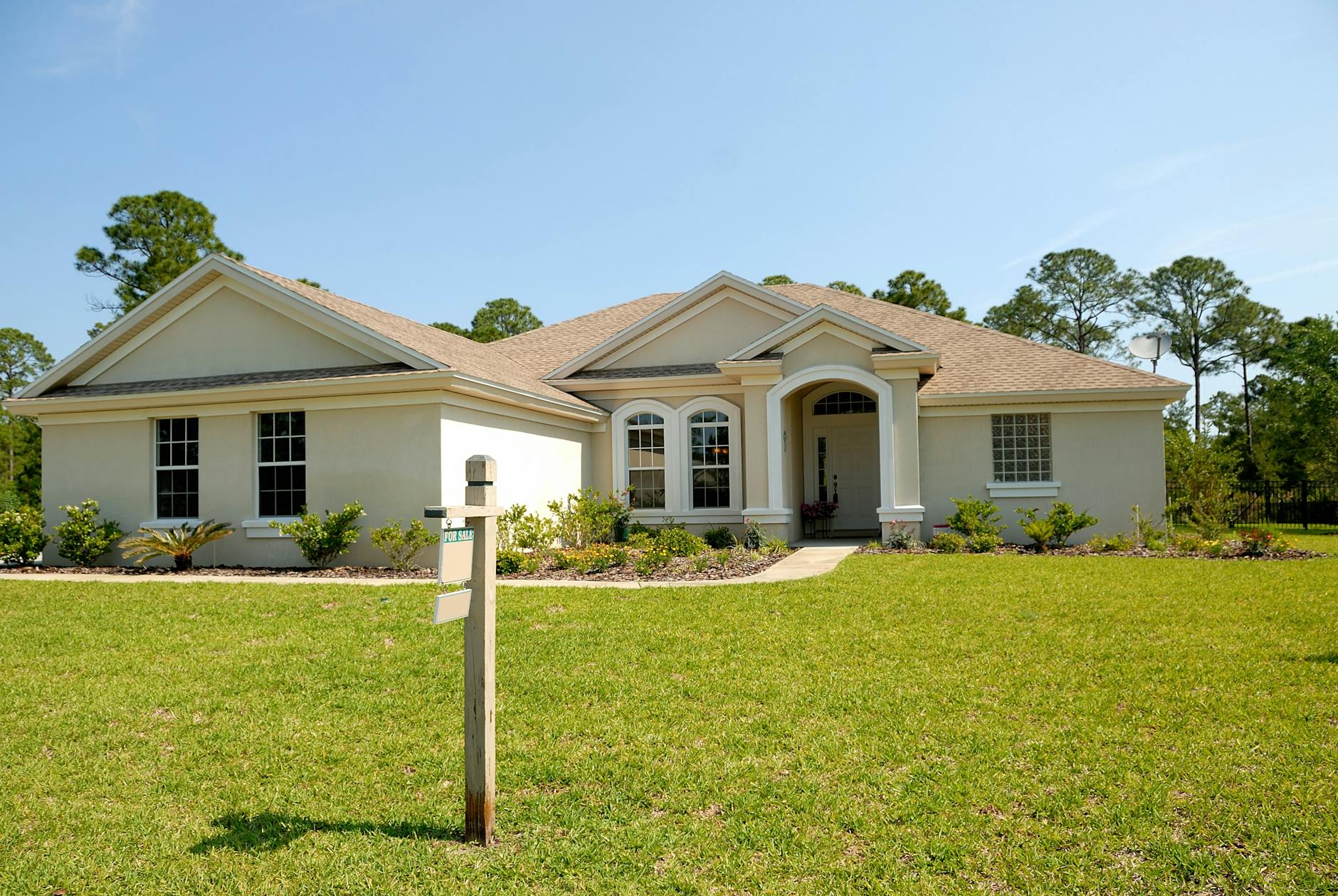 Photo by Pixabay on Pexels
Prepaid Costs Aren't Really "Costs"
It's worth separating true fees from prepaid items, because they get lumped into the same total and that inflates how "expensive" closing feels. Property tax reserves and the first year of homeowners insurance are money you'd be spending regardless of when you bought the home. They just show up upfront in an escrow account instead of as monthly bills later.
Prepaid interest works the same way: you're paying interest on the loan from your closing date to the end of that month, before your first regular mortgage payment kicks in. Close near the start of a month and that number is larger; close near the end and it shrinks. Some buyers time their closing date specifically to minimize this.
Are Closing Costs Tax Deductible
Some are, some aren't, and the line is easy to get wrong. Loan origination points paid to lower your interest rate are generally deductible in the year you pay them if you meet IRS requirements for the deduction, while most other closing fees, title insurance, appraisal, recording fees, get added to your home's cost basis instead of being deducted immediately. That distinction matters when you eventually sell, since a higher cost basis reduces your taxable gain. This isn't tax advice for your specific situation, just a reason to keep every closing document rather than tossing it in a drawer.
Closing Costs Look Different by Loan Type
The percentage range holds roughly true across loan types, but the mix underneath it doesn't. FHA loans add an upfront mortgage insurance premium on top of the standard closing costs, which catches first-time buyers off guard because it's due at closing, not spread into the monthly payment the way ongoing FHA mortgage insurance is.
VA loans work differently again. The Department of Veterans Affairs caps which fees a veteran buyer is allowed to pay directly, so a "VA funding fee" replaces mortgage insurance, and certain lender fees have to be either waived or covered by the seller instead of billed to the buyer. If you're using a VA loan and your lender's estimate looks unusually low, that's often why.
Conventional loans give lenders the most flexibility in how they structure fees, which is also why shopping multiple Loan Estimates matters most for conventional buyers. Two lenders quoting the same rate can still land a thousand dollars apart once you compare origination and processing fees side by side.
Common Mistakes That Inflate the Bill
A few patterns show up again and again in closing cost complaints, and most are avoidable:
Not shopping title insurance. In states where title rates aren't fixed by regulation, buyers who use whichever title company their agent suggests, without comparing, routinely pay more than buyers who get a second quote. It's one call.
Locking a rate without comparing origination fees. A lower rate with a higher origination fee can cost more over a typical holding period than a slightly higher rate with lower fees. Compare the full Loan Estimate, not just the headline rate.
Ignoring the timing of prepaid interest. Closing on the 2nd of the month versus the 28th can shift your cash-to-close by a meaningful amount, since you're prepaying interest for every day between closing and the end of that month.
Assuming the early estimate is the final number. Estimates from earlier in the process, whether from a lender's Loan Estimate or a rough calculator run, are built on assumptions that change as underwriting finalizes the loan. Treat any number before the actual Closing Disclosure as a planning figure, not a commitment.
 Photo by Vodafone x Rankin everyone.connected on Pexels
Getting a Real Number Before You Shop
The best time to estimate closing costs is before you're three days from your Closing Disclosure, ideally while you're still shopping lenders and comparing offers. A free closing cost calculator by EvvyTools lets you plug in editable line items, origination fees, title insurance, appraisal, and escrow, and see the buyer versus seller split so you know roughly what cash you'll need on hand.
It won't replace the actual Closing Disclosure your lender sends you, and it shouldn't. But it turns "closing costs are 2 to 5 percent, good luck" into an actual number tied to your loan amount, your state, and your specific transaction, which is what you need when you're deciding how much cash to keep liquid for the deal. Organizations like the National Association of Realtors publish broader market data if you want to sanity-check your local norms, but nothing beats running your own numbers before you sit down at the table.
If you want to browse the rest of EvvyTools' calculators for the other parts of a home purchase, from mortgage payments to affordability, the tools directory has the full set, and the blog covers the rest of the home-buying process in more depth.