


Picture two snack bars sitting next to each other on a shelf. Both list 22 grams of total carbohydrate. One is mostly sugar and starch. The other is packed with fiber and a sweetener you have never heard of. On paper they look identical, but on a ketogenic diet they can use up very different amounts of your daily carb allowance.
That gap is why most keto guides talk about net carbs instead of total carbs. The idea is simple enough to explain in a sentence, yet the details are where people lose track of their numbers. This article walks through what net carbs actually subtract, where the math gets unreliable, and how to turn a daily limit into something you can plan meals around.
What a Ketogenic Diet Is Asking of Your Carbs
A ketogenic diet keeps carbohydrate low enough, and fat high enough, that the body leans on fat and ketones for much of its fuel instead of glucose. The Ketogenic diet article on Wikipedia gives a good overview of the history and the variations, from the strict versions used in clinical settings to the looser versions people follow on their own.
Most self-directed versions set a daily carb ceiling somewhere between about 20 and 50 grams. Where you land depends on your size, your activity, and how strictly you want to follow the approach. The important part for this article is the unit. Almost every popular plan expresses that ceiling in net carbs, and the unit is what changes the shopping cart.
Total Carbs Versus Net Carbs in Plain Terms
Total carbohydrate is the number printed on the nutrition label. It lumps together sugars, starches, fiber, and, when they are present, sugar alcohols. Net carbs is a working number people calculate from that label by subtracting the parts that are thought to have little effect on blood glucose.
The usual formula is total carbohydrate minus dietary fiber, and then minus some or all of the sugar alcohols. So a food with 22 grams of total carbs, 12 grams of fiber, and no sugar alcohols would be counted as 10 net grams. The same 22 grams with no fiber would count as 22.
It helps to know that "net carbs" is a community convention, not a regulated label term. The U.S. Food and Drug Administration requires total carbohydrate, dietary fiber, and total sugars on the panel, but a front-of-package "net carbs" claim is a manufacturer's own math. Treat it as a hint and do the subtraction yourself from the panel.
Why Fiber Gets Subtracted
Dietary fiber is the part of plant food your digestive enzymes cannot break down into sugar. Instead it passes through to the large intestine, where some types are fermented by gut bacteria and others simply add bulk. Because it does not arrive in the bloodstream as glucose in meaningful amounts, subtracting it from the carb count is widely accepted.
There is a nuance worth knowing. Fermented fiber can still produce small amounts of energy through short-chain fatty acids, so it is not literally zero. The Dietary fiber page on Wikipedia explains the soluble and insoluble types. For day-to-day tracking, treating fiber as zero net carbs works well, and it is the reason a pile of leafy greens or half an avocado barely moves your total.
 Photo by Towfiqu barbhuiya on Pexels
Sugar Alcohols Are Where the Math Gets Slippery
Sugar alcohols such as erythritol, xylitol, sorbitol, and maltitol are sweeteners that are only partly absorbed. Many keto-friendly bars, candies, and baked goods lean on them, and the label lists them under total carbohydrate. The Sugar alcohol page on Wikipedia covers how each one differs.
The catch is that they are not interchangeable. Erythritol is mostly absorbed in the small intestine and then excreted unchanged, so its effect on blood glucose is close to nil. Maltitol, by contrast, is absorbed more and raises blood sugar noticeably, and it is common in products that advertise themselves as low carb. Subtracting every gram of sugar alcohol as if they were all erythritol is the single most common way people overshoot their budget without realizing it.
A Cautious Way to Count Them
A practical habit is to subtract erythritol in full, subtract about half of other sugar alcohols, and not subtract maltitol at all if you are watching closely. That is a rule of thumb, not a standard, and the ingredient list tells you which sweetener you are dealing with. If the label only says "sugar alcohols" without naming them, count half and move on.
Some people also run into digestive side effects from sugar alcohols, including gas and loose stools, especially in larger amounts. If a product that technically fits your numbers leaves you uncomfortable, that is information too, and it is a fair reason to skip it.
A Worked Comparison of Two Labels
Go back to the two bars from the opening. Bar A lists 22 grams of total carbohydrate, 2 grams of fiber, and 14 grams of total sugars with no sugar alcohols. Its net count is 20 grams, which could be your entire day on a strict plan.
Bar B lists 22 grams of total carbohydrate, 9 grams of fiber, and 8 grams of erythritol. Subtract the fiber and the erythritol and you land at 5 net grams. The labels share a headline number, but one bar spends the whole budget and the other spends a quarter of it. This is why scanning only the big "Total Carbohydrate" line is not enough.
 Photo by Lisett Kruusimäe on Pexels
Whole Foods Are Easier Than Labels
Packaged foods force you to read and interpret. Whole foods are friendlier because the numbers are well documented and there is no marketing layer between you and them. The USDA's FoodData Central database lists total carbohydrate and fiber for thousands of foods, which makes net carbs a one-line subtraction.
Looking up a few staples teaches you the pattern quickly. Most meats, fish, eggs, and oils sit at or near zero. Non-starchy vegetables carry a handful of net grams per serving. Fruit varies enormously, with berries far lower than bananas or grapes. After a week of looking things up, you will estimate by eye with reasonable accuracy.
Turning a Daily Limit Into a Meal Plan
A daily ceiling of, say, 25 net grams is an abstract figure until you split it. A simple approach is to allocate more to the meals where you most want variety and keep the others close to zero. Maybe 5 grams at breakfast from a few berries, 8 at lunch from a salad with vegetables, and 10 at dinner from a side of roasted cauliflower or zucchini.
Leave a small buffer of a few grams for sauces, condiments, and cooking ingredients, which add up faster than most people expect. A tablespoon of ketchup or a splash of a store-bought dressing can carry several grams of added sugar on its own. Counting those hidden grams is often the difference between hitting your number on paper and hitting it in practice.
How Calories and Macros Fit Around the Carb Limit
The carb ceiling is only one of three numbers. Protein needs to be high enough to maintain muscle, and fat fills the remaining calories. The carb limit stays fixed while protein and fat shift depending on your calorie target and your body size.
That is why a one-size-fits-all ratio such as 70 percent fat, 25 percent protein, and 5 percent carbs can mislead. A larger person eating more calories gets a much higher carb allowance from the same 5 percent than a smaller person does. Starting from your own energy needs and then fixing the net carb budget gives numbers that fit you rather than a template.
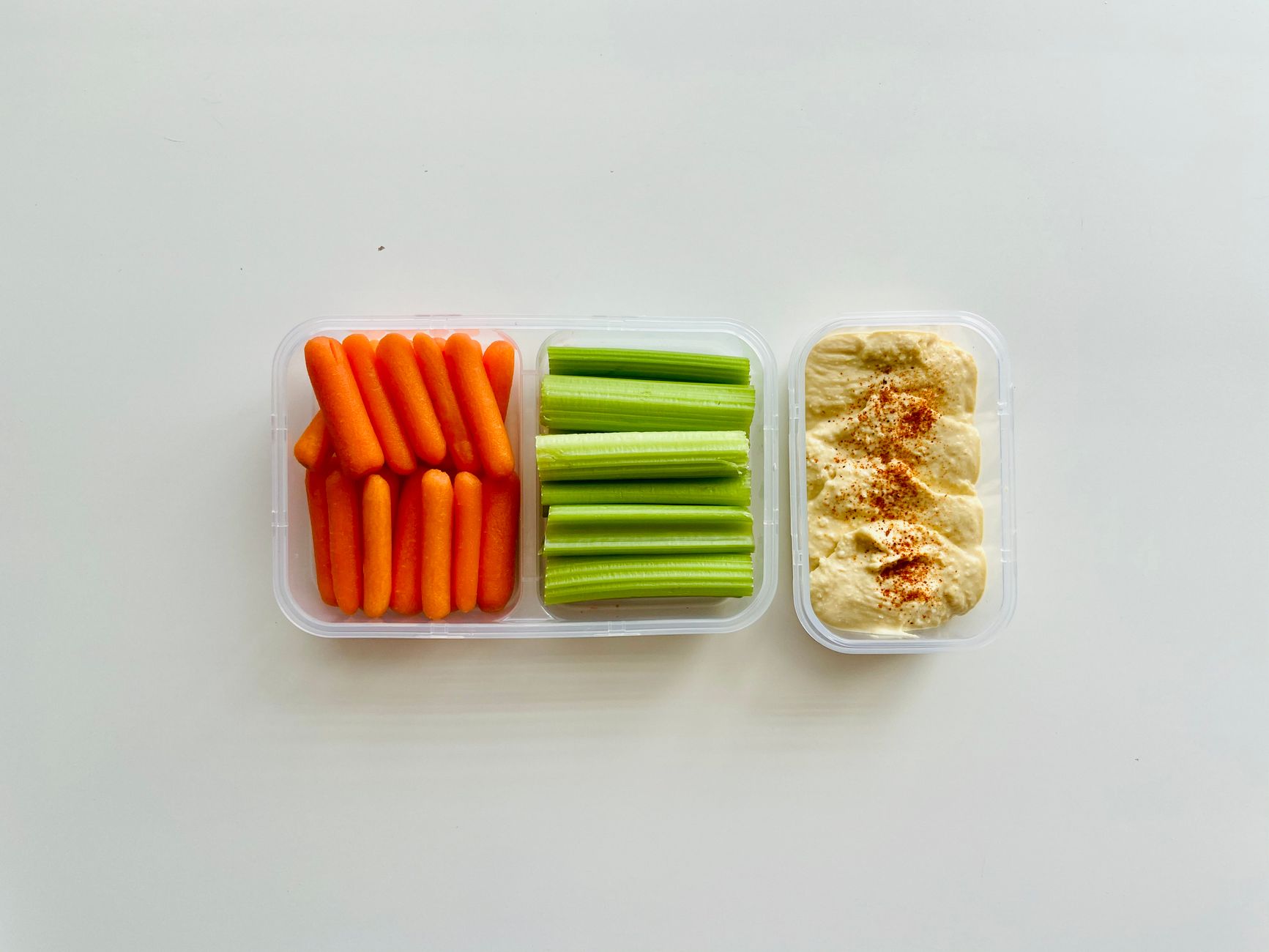 Photo by Bora C on Pexels
Where a Calculator Helps and Where It Does Not
A calculator is good at the arithmetic part. The free Keto Calculator by EvvyTools estimates your daily energy needs from your height, weight, age, and activity level, then splits the result into fat, protein, and a net carb budget with a per-meal breakdown. You choose how strict the carb limit should be, and the grams update to match.
What it cannot do is read your labels for you or know which sweetener is in a given bar. The net carb budget is the part that depends on your own tracking habits. Use the tool to set the target, and use the label and a database lookup to spend it accurately.
Honest Limits of the Net Carb Idea
Net carbs are a useful simplification, not a law of nature. People differ in how their bodies respond to the same food. Some notice a spike from foods that technically fit their count, and others tolerate a higher number than the standard range suggests. If you track ketones or glucose, your own readings are better evidence than any formula.
A ketogenic diet also changes how some medications and health conditions behave, particularly diabetes treatment and blood pressure medicines. If you take prescription medication or have a medical condition, talk to your clinician before making a big change. The National Institutes of Health is a reasonable starting point for reading about nutrition research, but it cannot replace individual advice.
A Short Checklist for Your Next Grocery Run
Before you leave for the store, set your daily net carb number and write it somewhere visible. Check the fiber line and the ingredient list on anything packaged, and look for the specific sweetener. Favor foods with short ingredient lists, since fewer ingredients means fewer places for hidden carbs to live.
At home, keep a running tally for the first couple of weeks. You do not need to track forever, but the early weeks build the intuition that makes the later months easy. If you want more of this kind of explainer, the EvvyTools blog breaks down how common health and money numbers are really built, and the directory of free calculators has the tools that go with them.
The Takeaway
Net carbs exist because not every gram on a label behaves like sugar. Fiber is a safe subtraction, erythritol mostly is too, and other sugar alcohols deserve a cautious haircut. Treat any "net carbs" claim on the front of a package as marketing and recompute it from the panel.
Set a daily ceiling that suits your size and your goals, split it across meals with a small buffer, and judge the result by how you actually feel and by what your clinician advises. This article is general education and not medical advice. When you want a second set of numbers to start from, EvvyTools is there for exactly that.