
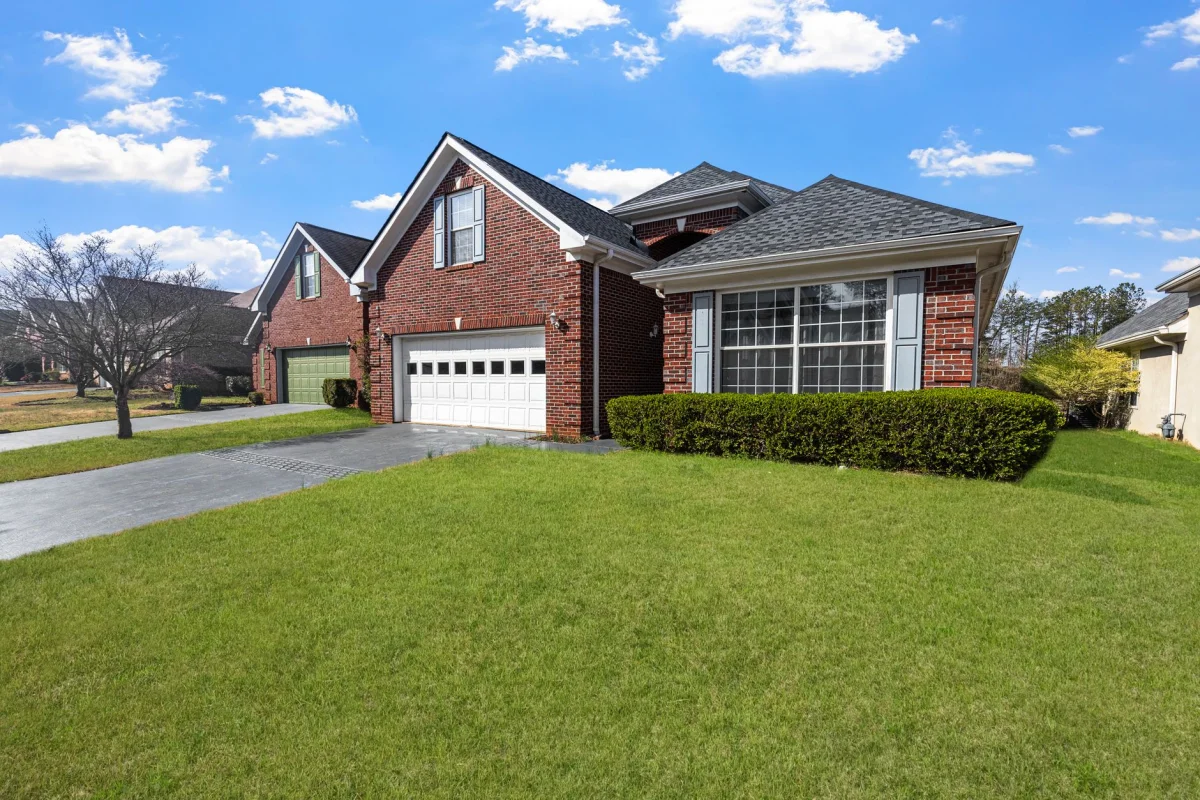
A reader sells a house for $620,000 in a hot zip code. The same house, two states over and a decade earlier, would have closed for $240,000. The roof, the framing, the siding, the windows, the kitchen layout - all identical. The insurance policy on either version of that house would have looked almost the same.
That gap between sale price and policy size catches a lot of homeowners off guard at renewal. Coverage A on a typical homeowners policy (the dwelling) is not built from the market value of the property. It is built from the cost to rebuild the structure if it burned to the foundation tomorrow. The two numbers move on different rails, and the more wrong you are about that, the more likely you are to be either overpaying for coverage or quietly underinsured.
This article walks through what replacement cost actually means, why the housing market does not drive it, how insurers come up with their estimates, and how to put a defensible number on your own home before you talk to an agent.
 Photo by Curtis Adams on Pexels
What "replacement cost" actually means on a homeowners policy
Replacement cost coverage is a promise to pay what it would cost, today, to rebuild your house with materials and labor of similar kind and quality. It is the number on the Coverage A line of your declarations page. It excludes the land. It excludes the foundation in many policies (the foundation is often considered undamaged and excluded from the rebuild). It excludes what is inside the home (that is Coverage C, personal property). And it excludes what is around the home (that is Coverage B, other structures).
Two homes selling for the same market price can carry very different replacement cost figures. A 1,900 square foot ranch with vinyl siding and a builder-grade interior costs much less to rebuild than a 1,900 square foot Victorian with custom millwork, plaster walls, and slate roofing. Market value blends location, lot size, comparable sales, and dozens of intangibles. Replacement cost cares about one thing: what it costs a contractor to put the structure back exactly the way it was.
The Insurance Information Institute puts the distinction this way: the policy is intended to make you whole on the building, not to compensate you for the market. That framing is the single most useful sentence to keep in mind through the rest of this article. The Wikipedia overview of home insurance covers the same idea in slightly different words if you want a second pass.
Why market value and replacement cost drift apart
Two market forces pull these numbers around in opposite directions.
The land matters to the market, not to insurance. When a $620,000 sale happens in a desirable neighborhood, a meaningful share of that price is the land. Insurance does not insure dirt. The land does not burn, so the policy never owes you for it. As land values climb in a region, market value rises faster than replacement cost, and the policy looks small compared to the sale price. That is normal. It does not mean the policy is wrong.
Construction costs are their own market. Lumber, drywall, copper, labor rates for framers and electricians, permit fees - all of these change independently of home sale prices. A drywaller's hourly rate is not strongly correlated to whether the housing market is hot. Construction cost indices can rise in a year when home prices fall, and they can sit flat while home prices boom. Replacement cost is keyed to that cost index, not to comparable sales.
You can see the divergence clearly during housing downturns. Around 2008 to 2011, market values fell hard in many regions while construction costs barely budged. Homeowners who had quietly assumed their policy was sized to their sale price discovered, sometimes after a fire, that the policy was actually sized to the cost of rebuilding (which had not dropped) and was perfectly adequate even though the home would not sell for what it had a few years earlier.
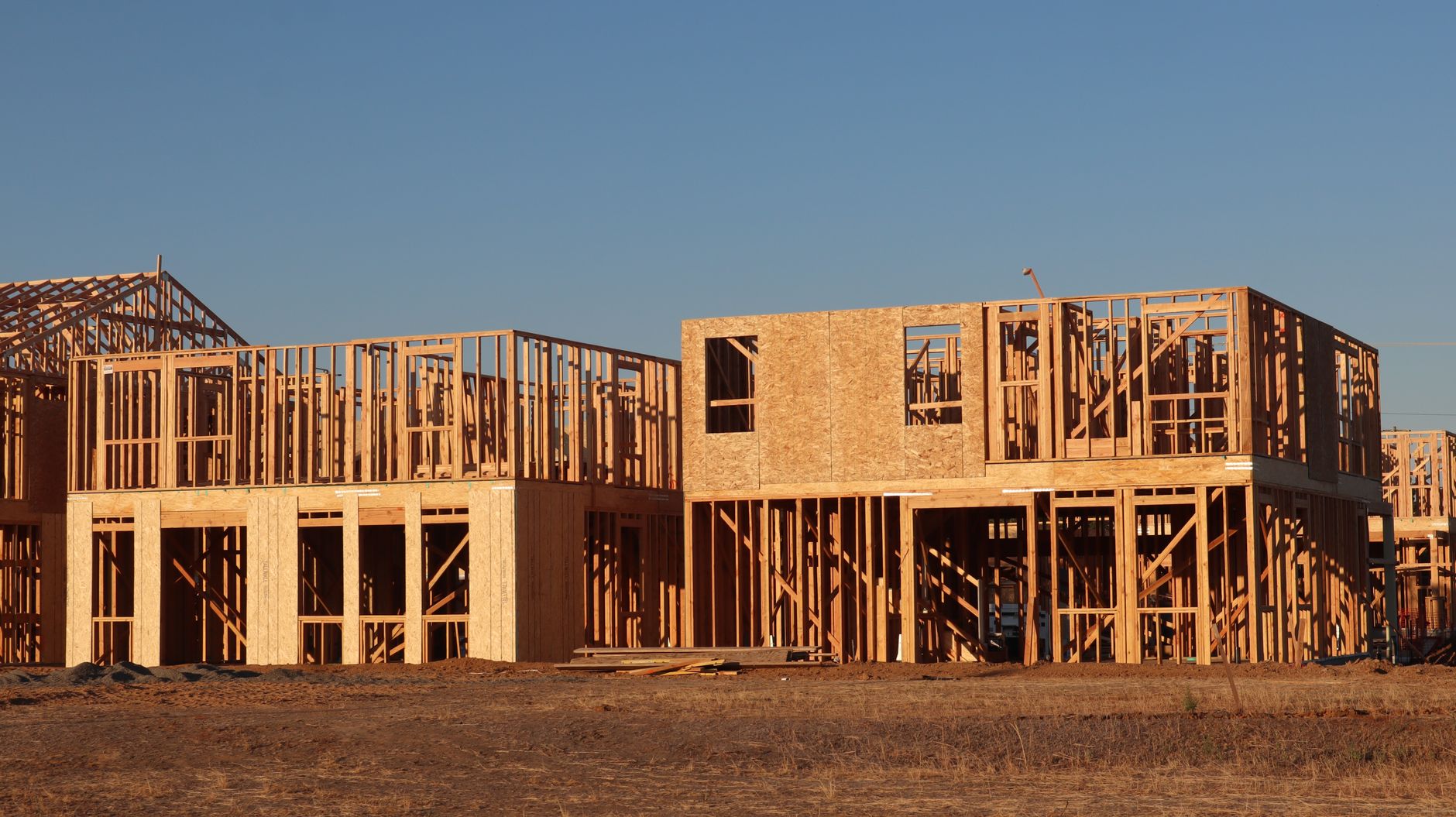 Photo by D Goug on Pexels
How insurers come up with the number
Carriers use one of three approaches to set Coverage A, and most use some blend of all three.
-
Replacement cost estimators. Tools like Marshall and Swift, 360Value, or proprietary equivalents take the home's square footage, exterior wall material, roof material, foundation type, year built, story count, and finish quality, then multiply by regional construction cost data. The output is a dollar figure per square foot, adjusted for local labor and material costs.
-
Agent or adjuster walkthroughs. For higher-value homes or older homes with unusual features, an agent or a third-party inspector may walk the property and itemize features that estimators tend to miss: custom kitchens, imported tile, plaster walls, hand-built staircases, or non-standard window sizes.
-
Homeowner-supplied detail. Anything the homeowner tells the agent about upgrades, additions, finishes, or square footage corrections feeds the estimator. This is the single most common source of error. A homeowner who finished a basement in 2021 but did not tell the insurer is carrying a policy sized for the unfinished version of the home.
The output of all three feeds Coverage A. The Coverage B (other structures) limit is typically a fixed percentage of Coverage A, often 10 percent. Coverage C (personal property) is also typically a percentage of Coverage A, often 50 to 75 percent. Coverage D (loss of use, the part that pays for a rental while your house is rebuilt) is usually another percentage. So the whole policy scales off the replacement cost number, which is why getting Coverage A right matters even more than it looks.
Where homeowners get caught underinsured
The big surprises tend to cluster in five places. Each one inflates true replacement cost without changing market value much.
- Square footage corrections. Town records, MLS listings, and appraisals routinely disagree on a home's square footage. If the policy was set up off a low number, every dollar of construction cost is multiplied by a smaller footprint than reality.
- Finished basements and converted attics. These add square footage of conditioned space, which rebuilding has to recreate, but they do not always show up cleanly on tax records.
- Custom features. Tilework, built-ins, custom cabinetry, hardwood floors with patterns, plaster walls, slate or tile roofs, copper gutters. Estimators default to builder-grade unless told otherwise.
- Code upgrades. Rebuilding to current code, especially in older homes or after wildfire and flood losses, can add 10 to 30 percent to the rebuild cost. An ordinance and law endorsement covers this. Without it, the homeowner pays the difference.
- Detached structures. Garages, sheds, fences, and pool houses fall under Coverage B. The default 10 percent of Coverage A is often light, especially in regions where a detached garage is large or finished.
The Federal Emergency Management Agency keeps a useful library of homeowner preparedness material at FEMA, including checklists for inventorying a home and estimating its rebuilding profile before a loss happens. It is worth bookmarking, regardless of whether your area is FEMA-mapped for flood.
 Photo by Artem Podrez on Pexels
A practical way to estimate your own replacement cost
You will not match a professional estimator down to the dollar from your kitchen table, and you should not try. The goal is a defensible ballpark, accurate within roughly 10 to 15 percent, that you can compare against what your insurer is using on the declarations page. If the two numbers disagree by more than a small margin, that is the conversation to have with your agent.
A short version of the process:
- Confirm the square footage. Pull tax records, the most recent appraisal, and your original purchase documents. Reconcile any differences by walking the house with a tape measure. Include finished basement and attic space if those areas are heated, cooled, and used like living space.
- Pick a local rebuild rate. Local builders' associations, state contractor licensing boards, and city housing departments often publish typical per square foot construction costs by quality tier. The National Association of Insurance Commissioners publishes guidance on Coverage A and what tier of finish quality corresponds to common policy categories.
- Multiply, then add line items. Square footage times the rebuild rate is your baseline. Add line items for unusual finishes, custom features, and any structure-level upgrades. Add a contingency, usually 5 to 10 percent, for the things you have not thought of.
- Add code-upgrade allowance. If your home is older than a major code revision in your region, budget another 10 to 30 percent for code work. Talk to your agent about whether an ordinance and law endorsement is already in the policy.
- Compare against the Coverage A on your declarations page. If your estimate is significantly higher, you may be underinsured. If your estimate is significantly lower, you may be overpaying.
This is where running the numbers on a free tool saves an evening of spreadsheet work. The Home Insurance Coverage Calculator at EvvyTools walks through dwelling, personal property, liability, and deductible math in roughly the same sequence, then flags the line items most homeowners forget. The broader tools directory carries the rest of the home and finance calculators in the same series.
What to ask your agent at the next renewal
Going into a renewal conversation with the right four questions is more valuable than any amount of research after the fact.
- "What is the Coverage A on this policy, and what assumptions about square footage and finish quality drove it?"
- "What replacement cost estimator did you use, and when was it last refreshed against current construction costs in this area?"
- "Do I have an ordinance and law endorsement, and if so, at what limit?"
- "Are there any features of the home I have changed in the last few years that we have not updated on the policy?"
If the agent cannot answer the first two, that is useful information about how the policy was put together, not a reason to panic. It just means the next quote or the next renewal is the right time to redo the dwelling number with current data.
A few patterns that catch people out
Buying coverage equal to the purchase price. This is the most common single mistake. The mortgage lender often requires only enough coverage to protect the loan, which can be far below the replacement cost. Worse, some homeowners ask for coverage equal to what they paid for the house. In high land-value markets, this overstates the policy significantly and inflates the premium without improving the actual protection.
Setting and forgetting. A policy that was correctly sized in 2015 may be 20 to 35 percent too small today, simply because construction costs have moved. Annual reviews catch this. Five-year reviews do not.
Confusing Coverage A with total liability. The dwelling limit pays for the house. It does not cap your total exposure on the policy. Liability coverage (Coverage E), medical payments, and personal property all sit on separate lines and need their own attention.
Treating the deductible like noise. A higher deductible can produce real premium savings, but it also exposes you to a real out-of-pocket loss at claim time. The deductible math is its own decision, separate from the Coverage A decision, and it should be made with a clear sense of what you can absorb in cash without a claim.
A short checklist before your next renewal
- Reconcile square footage across tax, appraisal, and a tape measure.
- Pull the declarations page and read Coverage A out loud.
- Estimate your own replacement cost at a defensible level of detail.
- Compare your number to the policy's number and write down the gap.
- Ask the four agent questions above before signing the renewal.
Replacement cost is one of those concepts where the policy stops looking like a black box within about thirty minutes of understanding it. Once you have a defensible number of your own, the rest of the conversation - deductible, endorsements, personal property limits - all rests on a foundation you actually trust.
For more on how each line of a homeowners policy works in practice, the EvvyTools blog carries the rest of the homeowner-finance walkthroughs in this series.