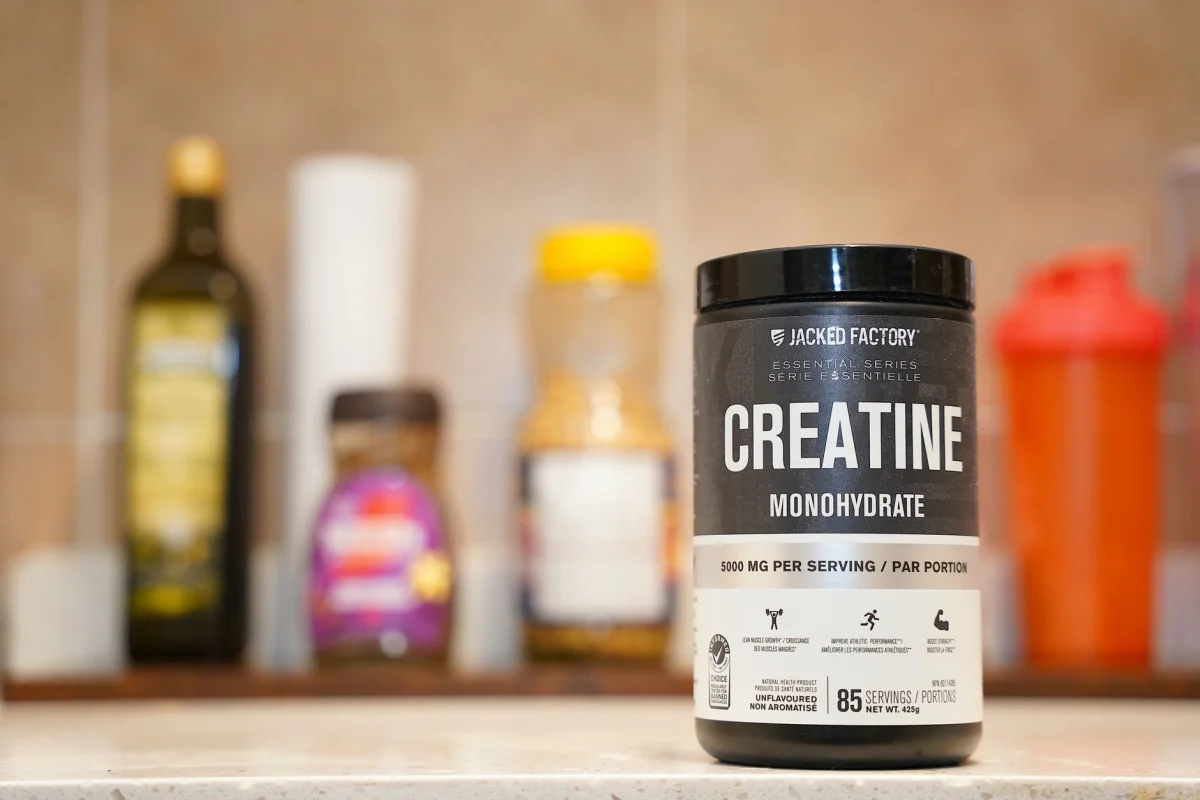
You can spend two hundred dollars a month on a careful supplement stack and absorb maybe sixty percent of it. The other forty percent gets blocked at the gut wall because of the way you took it, not because the supplements themselves are bad. Calcium and iron compete for the same transporter. Zinc taken alongside copper for years pushes copper out of the body. Magnesium taken with the multivitamin and a coffee chaser barely gets a foothold.
These interactions are not exotic. They show up in nutrition textbooks and on the National Institutes of Health Office of Dietary Supplements fact sheets in plain language. But the average person buying supplements at a pharmacy never gets told that the way you stack them matters as much as which ones you pick. This guide walks through the interactions that actually waste money, why they happen, and what to do instead.
 Photo by Guto Macedo on Pexels
Why Two Pills in the Same Glass Can Fight Each Other
Most minerals do not just dissolve into the bloodstream the moment they hit the small intestine. They need a transporter protein to ferry them across the gut wall. Several minerals share the same transporter, which means whichever one gets there in the largest amount wins the seat, and the others get flushed.
The classic example is calcium and iron. Both rely on the divalent metal transporter, and calcium outweighs iron at typical supplement doses by a factor of ten or more. Take a 1000 mg calcium pill at breakfast with an iron tablet, and you might absorb half the iron you would have absorbed if you took the iron alone. The same logic applies to zinc and iron, zinc and copper, and to a lesser extent magnesium and calcium.
This is not theoretical. Studies summarized by the Linus Pauling Institute show absorption drops of forty to sixty percent for the loser in these competitions, depending on dose and meal context. If you are taking minerals to correct a deficiency, you cannot afford that kind of waste.
The Pairs That Cause the Most Damage
A handful of combinations account for most of the absorption losses people unknowingly create. None of them require dropping a supplement. They just require timing it differently.
Calcium and Iron
Take these at least four hours apart. If iron is the priority, take it on an empty stomach in the morning with a glass of orange juice. Vitamin C from the juice triples non-heme iron absorption by reducing iron to a form the transporter likes. Save calcium for evening, ideally with dinner. If you take a calcium-fortified multivitamin in the morning, that counts as a calcium dose and competes with the iron.
Zinc and Copper
Zinc above 40 mg a day, taken without copper, will deplete copper stores over months. The mechanism is straightforward. High zinc induces a protein called metallothionein in the gut lining. Metallothionein binds copper tightly and traps it inside the cell, where it gets sloughed off when the cell dies and replaced. Copper never makes it to the bloodstream.
If you are taking 30 mg or more of zinc, pair it with at least 1 mg of copper, ideally at a separate meal. The NIH fact sheet on copper lays out the dose math. This is one of the most common stack mistakes among men taking immune-support zinc lozenges through cold season.
Magnesium and Calcium
Magnesium and calcium do not fight as hard as calcium and iron, but at gram-level doses they slow each other down. The practical fix is to split them. Calcium with the largest meal, magnesium at bedtime. The bedtime magnesium serves a second purpose, which is helping with sleep latency, so the timing earns its keep twice.
 Photo by withyaagmurr on Pexels
Coffee, Tea, and Almost Everything
Polyphenols in coffee and tea bind to iron, calcium, and zinc in the gut and form complexes that the transporters cannot move. The effect is large for iron. A cup of black tea with a meal can cut iron absorption by sixty percent. Coffee within an hour of an iron supplement does the same thing.
This is the single easiest fix in the entire stack. Move your morning coffee at least one hour away from your morning iron or multivitamin. If the coffee comes first, wait an hour before the pills. Wikipedia's article on tannins covers the underlying chemistry if you want the full picture.
Fat-Soluble Vitamins Have a Different Problem
The four fat-soluble vitamins, A, D, E, and K, do not compete for mineral transporters. They have a different vulnerability. They need dietary fat to absorb properly.
Take a vitamin D capsule with a glass of water on an empty stomach, and you will absorb maybe a third of what the label promises. Take it with a meal containing 10 grams of fat or more, and absorption climbs to seventy or eighty percent. A drizzle of olive oil, a slice of avocado, eggs, or any meal that is not a low-fat snack will do the job.
Vitamin K2 has the same requirement and a second wrinkle. K2 and vitamin E compete with each other at very high doses, but not at supplement levels most people take. The bigger K2 issue is that it interacts with blood thinners, which is a topic to discuss with a doctor and not something to manage with timing alone.
Vitamin C Is Mostly Your Friend, With One Exception
Vitamin C boosts non-heme iron absorption, neutralizes some polyphenol interference, and helps regenerate vitamin E. It is one of the easiest wins in a stack.
The exception is that very high doses of vitamin C, above 1000 mg, can interfere with copper status over time and can lower the effective dose of certain medications. For most people taking 100 to 500 mg, the benefit on iron alone is worth pairing it with the iron dose directly.
 Photo by beytlik on Pexels
A Stack That Actually Absorbs
Putting the timing rules together, a clean weekday looks something like this. Adjust to your own stack and goals, but the structure holds.
- Morning, on an empty stomach: iron with a glass of orange juice or a 250 mg vitamin C tablet. Wait at least one hour before coffee, tea, dairy, or any calcium-containing food.
- Breakfast: a multivitamin without iron if you are taking standalone iron, plus a vitamin D capsule with the meal's fat.
- Lunch: zinc with food, separated from the morning iron by at least four hours.
- Dinner: calcium with the meal. Vitamin K2 and any other fat-soluble vitamins can ride along here.
- Bedtime: magnesium glycinate or citrate, on its own.
Five touchpoints sound like a lot until you build the habit. Most of the absorption gain comes from getting two things right: separating iron from calcium and dairy, and pairing fat-soluble vitamins with fat. Everything else is optimization on top of that.
If you want to map your own stack against these rules and see which conflicts are quietly eating your absorption, the Supplement Stack Analyzer walks through twenty-four common supplements and flags the interactions specific to your combination. It also generates a daily timing schedule that respects the meal-by-meal logic above.
Things That Look Like Interactions But Are Not
A few common worries do not actually warrant timing changes, and treating them as if they do just makes the routine harder to stick with.
The first is the worry that B vitamins compete with each other. They do not, in any practical sense. A B-complex covers all eight B vitamins and the body handles them in parallel. There is no benefit to splitting them across the day.
The second is the idea that probiotics need to be taken far from any antibacterial herb or supplement. Probiotic strains in a sealed capsule are dormant and survive normal stomach acid in most modern formulations. Take them with breakfast and move on.
The third is the worry that vitamin C destroys vitamin B12. This shows up in older nutrition literature based on a single small study. Subsequent work has not replicated the effect at supplement doses. You can take them together without issue.
 Photo by Souvik Bhowmik on Pexels
When to Stop Stacking and Test
The honest answer to most supplement questions is that you should test before you keep guessing. A basic blood panel covering ferritin, vitamin D, B12, magnesium, and zinc costs less than three months of a serious stack. Once you know which numbers are low and which are fine, the stack shrinks and the timing gets easier.
For deficiencies that go beyond casual support, work with a clinician. The interactions in this article matter when you are taking supplements that move your blood values measurably, and a doctor can tell you which ones those are in your case. The MedlinePlus database on supplements has accessible drug-and-supplement interaction lookups for the prescription side of the equation.
For the rest of us, the absorption rules above cover most of the loss. If you have a stack on the counter right now, run it through the Supplement Stack Analyzer once and rebuild the day around what it flags. The gain is not subtle. People who have been losing forty percent of their stack to bad timing recover most of that within a week, no new bottles required.
The Short Version
Most supplement stacks waste money not because the pills are bad but because they were taken in the wrong order. Iron and calcium compete. Zinc displaces copper at high doses over time. Coffee and tea block minerals for an hour or more. Fat-soluble vitamins need fat in the same meal. Splitting the stack into morning iron, midday zinc, dinner calcium, and bedtime magnesium recovers most of the lost absorption.
The supplements you already own probably work better than you think they do, once the timing is sorted. Spend an evening sorting it out, and then go back to the EvvyTools homepage to set the schedule against the rest of your routine.