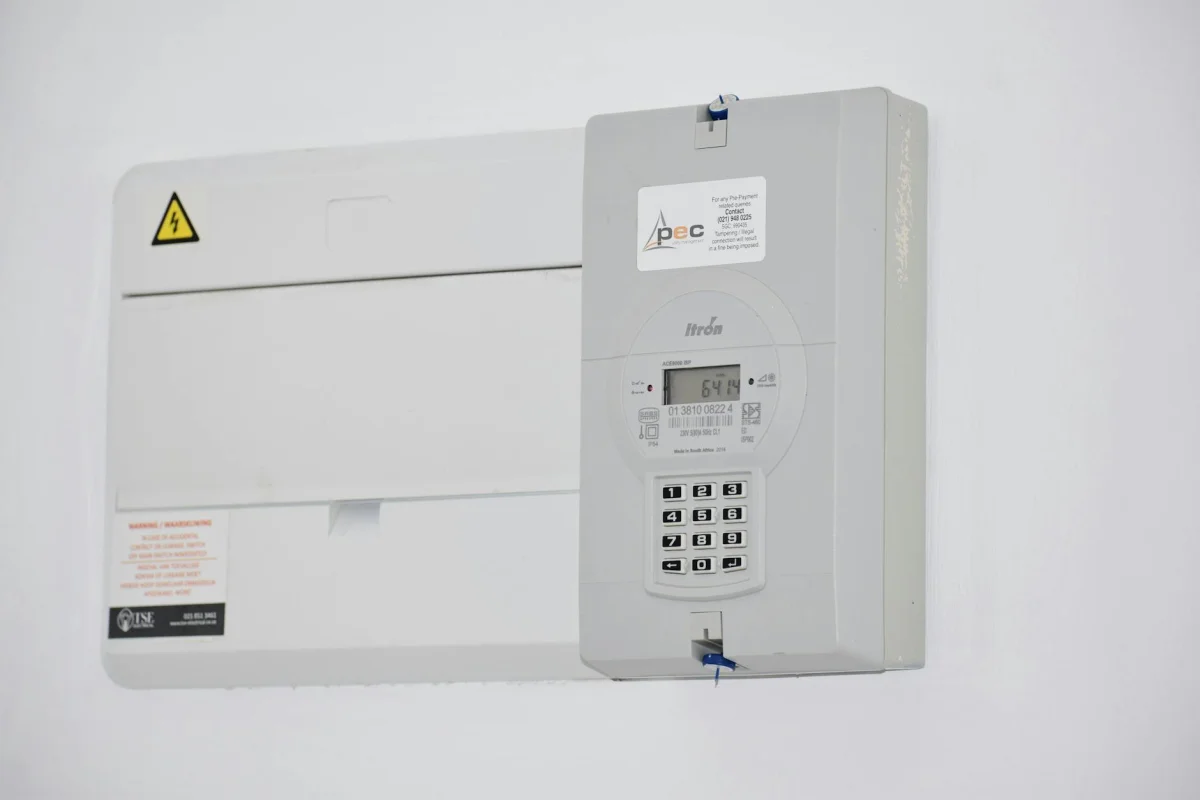
Most people open their electric bill, wince, and move on. The total feels like a black box. You know the number went up, but you have no idea whether the culprit is your aging refrigerator, your home office setup, or the space heater you ran for two weeks in February. Without knowing what each appliance actually costs to operate, every attempt to "save on electricity" is just guesswork.
The math behind electricity cost is surprisingly simple once you understand three numbers: wattage, hours of use, and your local rate per kilowatt-hour. Multiply those together and you get a real dollar amount for any device in your home. This article walks through how to calculate those costs for any appliance, how to identify the biggest drains on your bill, and how to use those numbers to make changes that actually move the needle.
Understanding How Electricity Pricing Works
Your electric bill is measured in kilowatt-hours (kWh). One kilowatt-hour means using 1,000 watts of power for one hour. If you run a 100-watt light bulb for 10 hours, that is exactly 1 kWh. According to the U.S. Energy Information Administration, the average residential electricity rate in the United States is about 16.6 cents per kWh as of early 2026, though rates vary dramatically by state. Hawaiians pay over 40 cents per kWh while residents of Louisiana pay closer to 10 cents.
The Basic Formula
The calculation is straightforward:
(Wattage x Hours Used Per Day) / 1,000 = Daily kWh
Daily kWh x Your Rate Per kWh = Daily Cost
Multiply by 30 for a monthly estimate. The tricky part is not the math itself but getting accurate inputs. Most people overestimate how many hours they run certain devices and underestimate others.
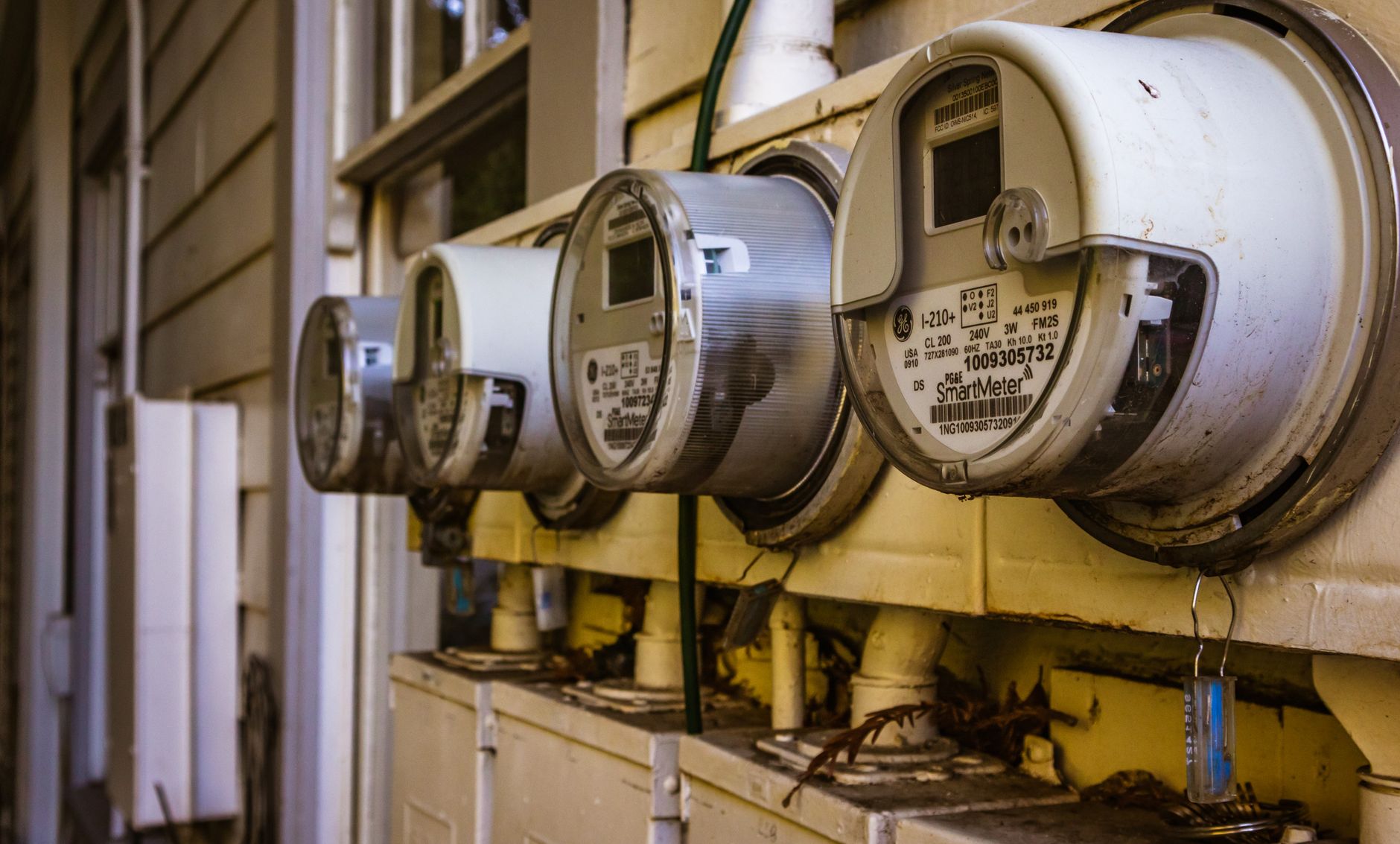 Photo by Robert So on Pexels
Why Your Bill Fluctuates
Seasonal changes drive most fluctuation. The Department of Energy estimates that heating and cooling account for roughly 50% of a typical home's energy use. A mild spring month might cut your bill in half compared to January or August, even if nothing else changes. Time-of-use pricing, which more utilities are adopting, adds another layer. Running your dryer at 2 PM might cost twice as much as running it at 10 PM depending on your plan.
How to Calculate Cost for Any Appliance
Here is a step-by-step approach that works for anything plugged into your wall.
Step 1: Find the wattage. Check the label on the device, the owner's manual, or search for the model online. Common examples: a laptop charger uses about 50-65 watts, a window air conditioner runs 500-1,500 watts, a gaming PC with a dedicated GPU pulls 300-500 watts, and a standard refrigerator cycles at about 100-400 watts.
Step 2: Estimate daily hours of use. Be realistic. Your TV might be on for 5 hours a day, but your refrigerator compressor actually runs about 8 hours out of every 24 even though it is plugged in all day. Devices with heating elements like dryers, ovens, and space heaters use the most power per hour but typically run for shorter periods.
Step 3: Plug the numbers in. A free electricity cost calculator makes this fast. Enter the wattage, your estimated hours, and your local rate. You get an instant daily, monthly, and yearly cost. For a quick example: a 1,500-watt space heater running 6 hours per day at 16 cents per kWh costs you $4.32 per day, or about $130 per month. That single device might account for a third of your winter bill.
Step 4: Repeat for your top 10 appliances. Most homes have 3-5 devices responsible for 70-80% of total electricity cost. Identifying those is the whole point.
 Photo by Josh Sorenson on Pexels
The Appliances That Cost More Than You Think
Some devices are obvious energy hogs. Central air conditioning, electric water heaters, and clothes dryers top every list. But several common appliances surprise people when they see the real numbers.
Old Refrigerators
A refrigerator manufactured before 2010 can use 600-800 kWh per year. A modern Energy Star model uses 400-450 kWh. That difference is $25-60 per year depending on your rate. If you have a second fridge in the garage running year-round for beverages, it might be costing you $8-12 per month for the convenience of cold drinks being ten steps closer.
Always-On Electronics
Your cable box, game console in standby, smart speaker, router, and modem all draw power 24 hours a day. Individually they are small, typically 5-30 watts each. But add up five or six devices at 15 watts average and you get 90 watts running nonstop. That is 65 kWh per month, or about $10. The Natural Resources Defense Council found that idle load from always-on devices accounts for roughly 23% of residential electricity use in some homes.
Electric Water Heaters
A standard 50-gallon electric water heater uses about 4,500 watts when actively heating. If it cycles for 3 hours per day total, that is 13.5 kWh daily, or roughly $65 per month at average rates. Turning the thermostat down from 140F to 120F can cut that by 10-15% with no noticeable difference in shower comfort.
Dehumidifiers and Portable Air Conditioners
Portable climate control devices are often forgotten because they feel seasonal. A basement dehumidifier running continuously draws 300-700 watts. Over a humid summer, that translates to 200-500 kWh across four months, adding $30-80 to your total bill. Portable air conditioners are even worse. Most draw 1,000-1,400 watts and run for extended hours because they are less efficient than window units or central systems. If you run a portable AC for 8 hours a day during a hot month, expect to add $40-55 to that month's bill on top of your normal usage.
Pool Pumps and Hot Tubs
Homeowners with pools sometimes underestimate how much the pump costs. A standard single-speed pool pump draws 1,500-2,500 watts and the general recommendation is to run it 8-12 hours per day during swimming season. At 2,000 watts and 10 hours per day, that is 20 kWh daily, or about $96 per month at the national average rate. Variable-speed pumps cut that cost by 60-80%, which is why they pay for themselves within two to three years. Hot tubs are similar, drawing 1,500-6,000 watts depending on the heater, and most run year-round.
Five Practical Ways to Lower Your Electricity Cost
Once you know which appliances are costing you the most, the fixes become obvious. Here are the changes that produce the biggest savings relative to effort.
Use a power strip for entertainment centers. Plug your TV, streaming stick, game console, and sound bar into one strip. Turn off the strip when you are not watching. This eliminates standby draw from all four devices at once. Savings: $5-10 per month for most setups.
Run high-wattage appliances during off-peak hours. If your utility offers time-of-use pricing, shifting your dryer, dishwasher, and EV charging to late evening can cut those costs by 30-50%. Check your utility's rate schedule or call them to ask if you are on a time-of-use plan.
Swap any remaining incandescent bulbs. A single 60-watt incandescent bulb replaced with a 9-watt LED saves about 50 kWh per year per bulb. At 16 cents per kWh, that is $8 per bulb per year. If you have 20 bulbs in your house, the annual savings add up to $160. LED bulbs last 15,000-25,000 hours compared to 1,000 for incandescent.
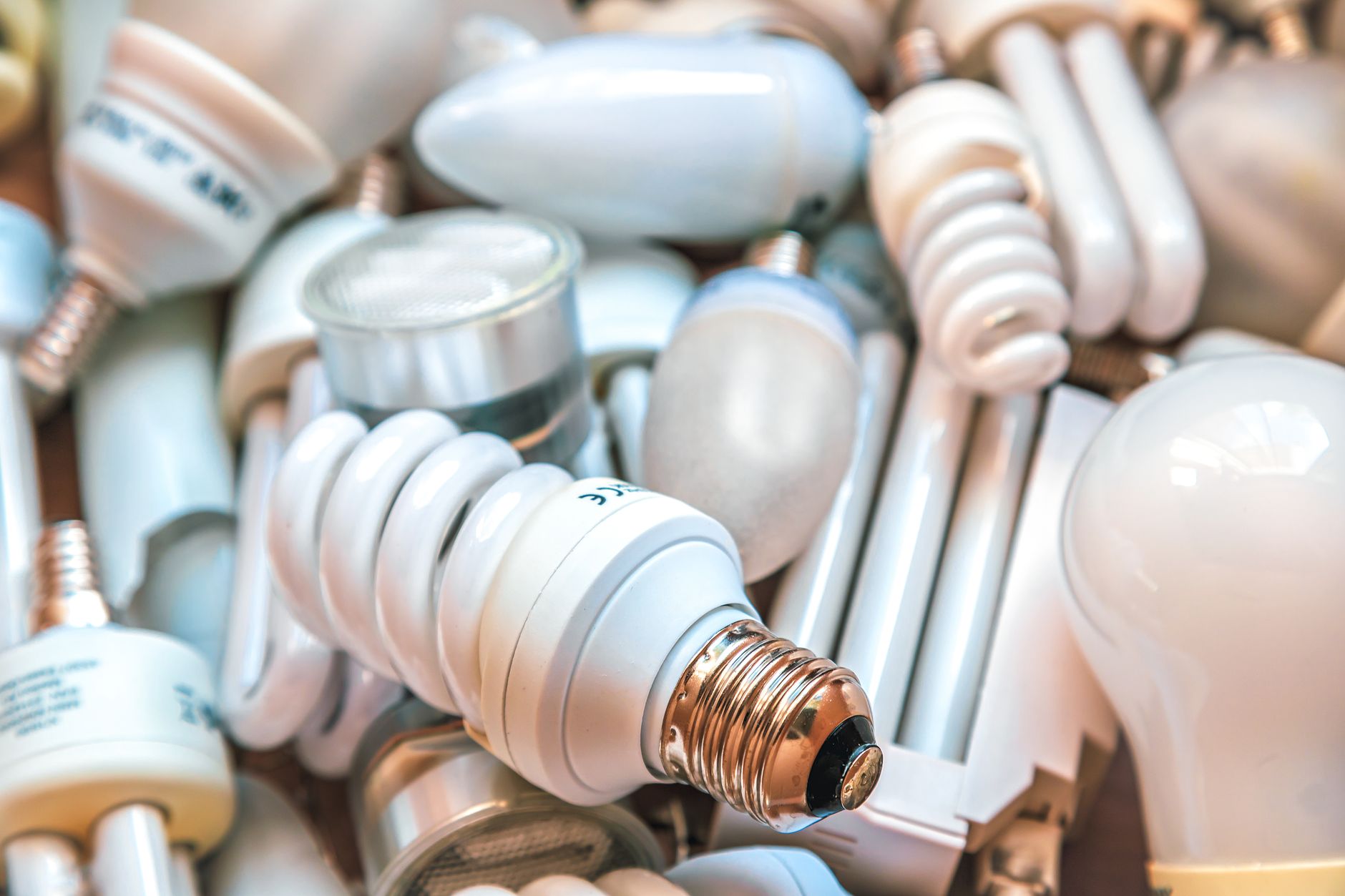 Photo by tom analogicus on Pexels
Adjust your water heater thermostat. As mentioned above, dropping from 140F to 120F is the single highest-impact, lowest-effort change most homeowners can make. The Department of Energy recommends 120F as the standard setting.
Audit your HVAC filter schedule. A clogged air filter forces your system to work harder, increasing runtime and electricity draw. Replacing it monthly during heavy-use seasons (summer and winter) can reduce HVAC energy consumption by 5-15%. A pack of standard filters costs $15-20 and takes 30 seconds to swap. Per dollar spent, this is one of the best returns you can get on home maintenance.
Related Tools and Resources
If you are tracking your electricity costs, these related calculators can help you build a fuller picture of your household expenses:
- Generator Wattage Calculator helps you figure out whether your generator can handle your essential loads during an outage
- Solar Savings Calculator estimates the payback period if you are considering panels to offset your electric bill
- Budget Calculator puts your electricity cost in context alongside all your other monthly expenses
For deeper reading on residential energy use: - The Energy Star Home Energy Yardstick lets you compare your home's energy use to similar homes in your area - Your state's Public Utility Commission publishes rate schedules and time-of-use plan details - The Lawrence Berkeley National Laboratory maintains research on standby power consumption across hundreds of devices
 Photo by HUUM │sauna heaters on Pexels
Start With the Numbers You Actually Have
You do not need to measure every outlet in your house to make meaningful progress. Start with your five highest-wattage devices, run the numbers with the free electricity cost calculator, and compare the results to your last electric bill. Most people find that just three or four appliances explain the bulk of their total. Once you see the real cost per device, the decisions about where to cut back stop being abstract and start being obvious.