

Most homeowners make renovation decisions based on what they like, what a contractor pitches, or what they saw on a home improvement show. That's understandable. But when you're spending $30,000 or $80,000 on your home, the question of what you'll actually recover at sale becomes relevant fast.
Not every renovation pays you back. Some projects consistently return 70 to 80 cents on every dollar spent. Others return 30 cents or less. The difference usually comes down to project type, how much you're spending relative to your home's value, and local market conditions.
Renovation ROI is the metric designed to capture that difference. Here's how to understand it and how to use it before you hire anyone.
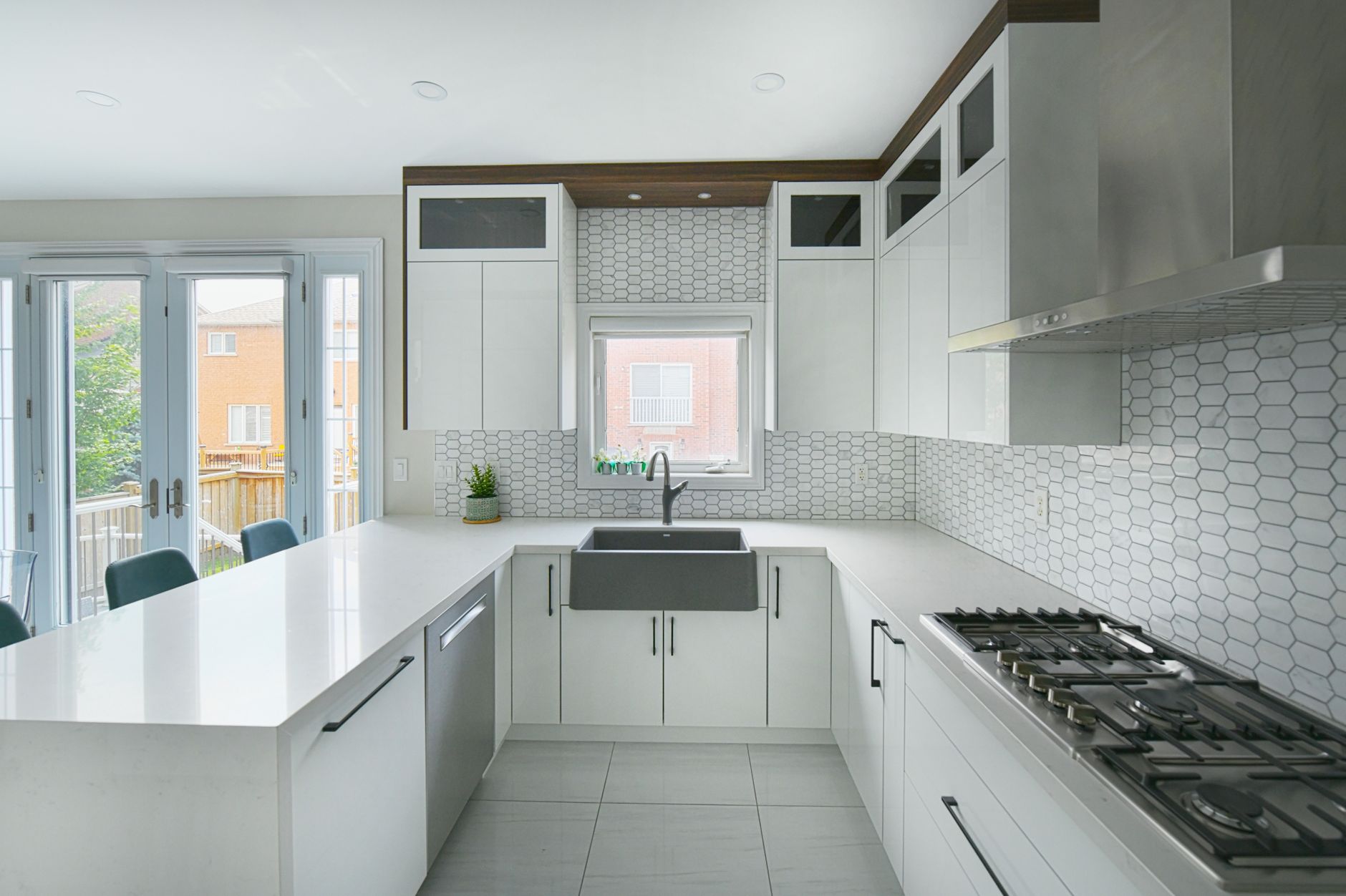 Photo by Smart Renovations on Pexels
What Renovation ROI Actually Measures
Return on investment for home renovations is the percentage of project cost you recover when you sell. A kitchen remodel that costs $28,000 and adds $21,000 to your home's sale price has a 75% ROI. A sunroom addition that costs $70,000 and adds $22,000 has roughly a 31% ROI.
The metric matters because most homeowners eventually sell. According to the National Association of Realtors, the typical homeowner sells within 8 to 10 years of buying. Renovation decisions made during that window affect what you walk away with.
ROI isn't the only measure worth tracking. Renovations also affect how quickly your home sells, whether buyers make competitive offers, and how much you enjoy the property in the years before listing. These factors don't show up in an ROI percentage, but they're real and worth considering alongside the math.
Why Some Renovations Pay Off and Others Don't
The central rule of renovation ROI is proportionality. When renovation cost approaches or exceeds the value it adds, returns deteriorate quickly.
One version of this is over-improving for the neighborhood. If comparable homes on your block sell for $400,000, spending $150,000 on renovations won't push your sale price much past that ceiling. Buyers benchmark what they'll pay against similar homes, not against your renovation invoice. The local market sets a cap, and exceeding it is expensive.
The other issue is visibility. Buyers can mentally price a new kitchen or hardwood floors at first glance. A new roof or updated electrical panel may be worth just as much in preventing price negotiations, but buyers don't see it the same way. Invisible improvements often pay off through faster sales and cleaner inspection results rather than higher offer prices.
 Photo by closewithcindy on Pixabay
The Projects That Consistently Return the Most
Certain renovation categories perform well across most markets and property types.
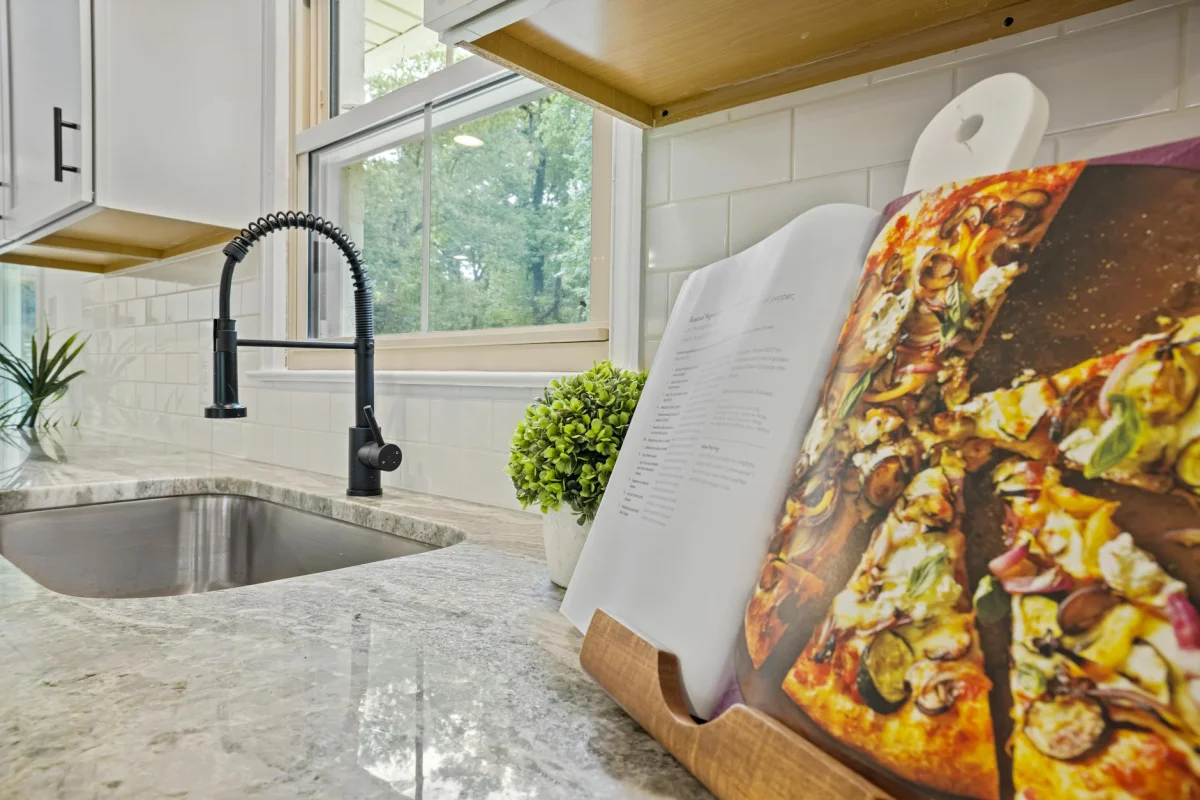
Minor kitchen remodels tend to outperform full gut renovations on ROI. Replacing cabinet fronts, updating hardware, installing new countertops, and adding a backsplash often returns 70 to 80 percent of cost. A complete renovation with custom cabinetry, high-end appliances, and heated floors typically returns 50 percent or less because the total cost is so high. Doing more with less wins here.
Garage door replacement consistently ranks among the highest-ROI projects by any measure. New garage doors are visible from the street, the cost is relatively contained, and buyers notice them immediately. The ratio of visual impact to dollars spent is hard to beat.
Energy-related improvements have gained ROI because buyers increasingly factor operating costs into home value. Attic insulation, new windows, and HVAC upgrades show up in utility bills, and buyers in most markets have become more willing to pay for them. Many of these projects also qualify for federal tax incentives through ENERGY STAR, which improves the effective return beyond just the sale price impact.
Manufactured stone veneer added to a home's exterior performs well in most markets. The material is relatively affordable, and it substantially changes how a home reads from the curb. First impressions affect offer prices in ways that are hard to quantify but consistently appear in faster sales and cleaner offers.
Bathroom additions in homes with fewer bathrooms than bedrooms often return well. A four-bedroom home with a single full bath has a gap that buyers price into their offers. Closing that gap adds more value than updating a bathroom that already exists.
Projects That Rarely Pay for Themselves
Swimming pools are the classic example of a low-ROI renovation in most markets. A pool can cost $60,000 to $100,000 or more. It requires ongoing maintenance. And it narrows your buyer pool to people who actively want one. In certain climates and price brackets, pools do add value. In most suburban markets, they don't come close to recouping cost.
 Photo by Curtis Adams on Pexels
Sunrooms and room additions tend to have lower ROI than renovating existing square footage. New square footage costs more per foot to add than to improve. Appraisers may value that space at a lower rate than the cost to construct it, and buyers don't always experience additions as seamless with the rest of the home.
Luxury upgrades in non-luxury homes face a similar ceiling. High-end appliances, custom built-ins, and smart home systems can improve your quality of life significantly. But if comparable homes in your neighborhood don't have them, buyers won't pay the premium to cover the cost of installing them.
One important qualifier: low ROI doesn't mean a project isn't worth doing. If you're staying for 15 years, building a pool or a sunroom might genuinely improve your life. The ROI calculation becomes more consequential as your time horizon shortens.
How Regional Markets Move Every Number
The same renovation in Seattle and Cleveland has a different ROI profile. Construction costs, buyer expectations, home prices, and what comparable homes look like all vary significantly by location.
High-demand markets tend to absorb renovation costs better. Home prices are higher relative to renovation costs, and buyers in competitive markets often pay meaningful premiums for move-in-ready homes rather than taking on project properties. Zillow data consistently shows that listing condition affects offer prices more in hot markets than in softer ones.
Local housing stock matters too. In areas with aging homes, mechanical updates often carry higher practical ROI because buyers factor what they'd have to spend on deferred work. The U.S. Department of Housing and Urban Development tracks housing quality data by region that can add useful context for understanding where your improvements fit.
What sells in one market may be largely irrelevant in another. A finished basement is highly valued in colder northern climates and largely ignored in Phoenix. Regional buyer preferences shape what makes a home feel complete.
How to Calculate ROI for Your Specific Project
General benchmarks are a starting point. Your actual numbers depend on your home's current value, the specific scope and cost of your project, and local market conditions that no national average can capture.
The Renovation ROI Calculator on EvvyTools handles the math once you've gathered your inputs. Select a renovation category, enter your estimated project cost and your current home value, and the calculator returns the estimated value added, your ROI percentage, and how much of the project cost you'd expect to recoup at sale.
It also runs a comparison across renovation types so you can see how your planned project stacks up against alternatives. If you're deciding between a kitchen remodel and a deck addition, the comparison view shows where the return difference actually sits.
 Photo by Christina & Peter on Pexels
A few inputs worth getting right before you run the numbers:
Project cost should include labor, materials, permits, and a contingency buffer. Renovation projects routinely run 15 to 20 percent over initial estimates. Using a realistic total rather than the contractor's first quote gives you a more honest ROI picture.
Current home value is most accurately estimated from recent comparable sales in your neighborhood, not your tax assessment or what you paid years ago. A local agent or an independent appraisal will give you a more useful baseline than any algorithm.
Once you have honest numbers in, use the calculator output to compare options and identify where your budget does the most work. Explore more tools in the same category through the EvvyTools tools directory.
Making the Decision
ROI is one input, not the whole answer. It matters most when you're planning to sell soon, when your budget is limited, or when you're choosing between competing projects. It matters less when you're renovating primarily for enjoyment, staying for 15-plus years, or addressing a structural issue that affects daily life.
For renovations targeted at maximizing sale price, the short list is consistent: minor kitchen and bathroom updates, exterior projects that improve curb appeal, and mechanical improvements that prevent negotiation losses at inspection. These deliver solid returns across most markets without requiring large bets on any single project.
For renovations focused on your quality of life, the calculation shifts toward what your household actually needs and will use. The best renovation is one you enjoy for years and that doesn't hurt the listing when it's time to sell.
The hardest calls come when the numbers are borderline, the enjoyment factor is high, and your timeline is uncertain. In those cases, it's worth running the full comparison before committing. Talking to a local agent who knows what buyers in your specific neighborhood are actually paying for adds useful grounding that no national benchmark can provide. The numbers from the calculator are inputs to a conversation, not a substitute for it.
One practical rule: never take a contractor's word alone on the ROI of a renovation they're quoting you. They know construction costs and craft, but they typically don't track what happens to home values after their jobs are done. That part is your responsibility.
The data is available before you commit to anything. The math is worth running. You can also find related coverage on home finance and planning tools through the EvvyTools blog.