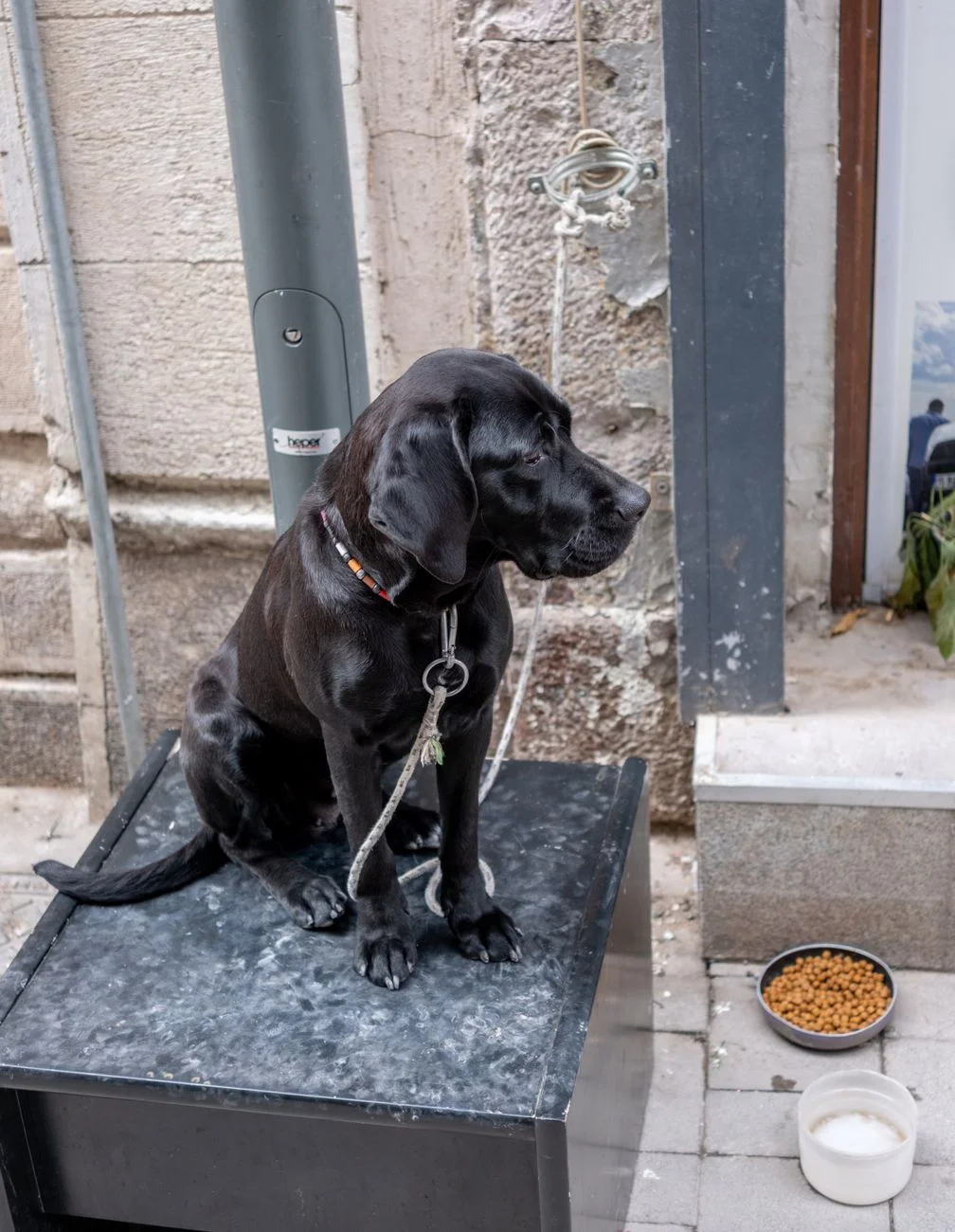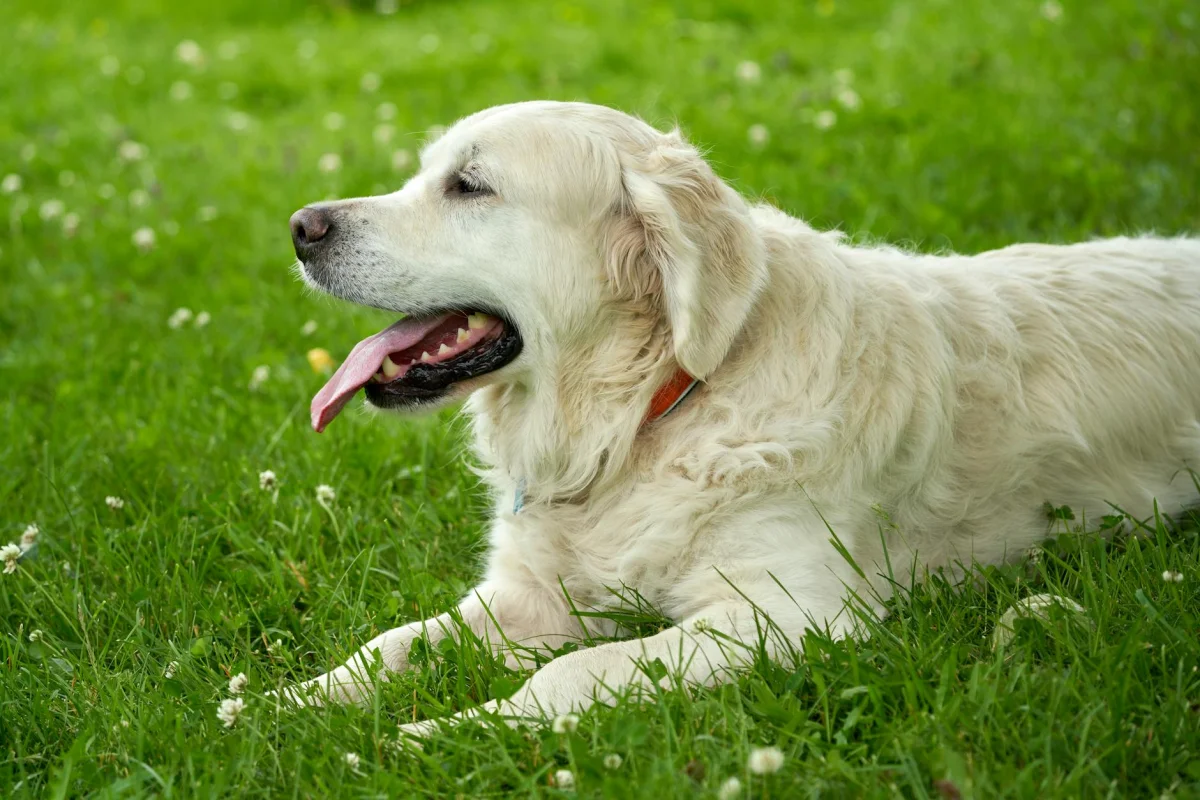
Most dog owners know their dog's age in years. Fewer know what that age actually means for care. "Senior" sounds like a clear milestone, but it does not mean the same thing for a Pomeranian and a Saint Bernard. By the time a giant breed reaches 6, they may already need arthritis screening and biannual vet checkups. A Chihuahua at 6 is still solidly in their prime.
Knowing which life stage your dog is in changes what you feed them, how much you exercise them, and what you watch for at the vet. This guide walks through what each stage looks like based on size, and why the numbers matter more than most owners realize.
 Photo by
 The Problem with "Senior" as a Single Label
When vets talk about senior dog care, they are often speaking in averages. The average medium-sized dog lives 12 to 13 years. Senior status at roughly the 75 percent mark of a typical lifespan puts a medium dog into their senior stage around 8 to 9 years old. But apply that same calculation to a Great Dane with a 9-year lifespan and senior status arrives around 6 or 7. Apply it to a Toy Poodle living 15 years and senior status might not arrive until 11 or 12.
The American Kennel Club recognizes that small breeds tend to live longer and age more slowly than large breeds, a pattern built into breed-specific wellness screening recommendations. The American Veterinary Medical Association has codified similar guidance: care decisions should account for size and breed, not just a single number.
This is why size-aware life stage calculation matters. The Dog Years Calculator at EvvyTools uses AKC and AVMA guidelines to map your dog's age and size class to an actual life stage label, not just a human-equivalent number. That label is the starting point for a practical conversation with your vet about whether your current care approach fits where your dog actually is in their life.
Life Stage Breakdown by Size
Here is how the stages break down, using VCA Animal Hospitals and AVMA size guidelines as a baseline:
Small dogs (under 20 lbs) - Chihuahua, Toy Poodle, Dachshund - Puppy: 0 to 12 months - Adult: 1 to 10 years - Senior: 10 to 13 years - Geriatric: 13+ years - Typical lifespan: 14 to 16 years
Medium dogs (20 to 50 lbs) - Beagle, Cocker Spaniel, Border Collie - Puppy: 0 to 12 months - Adult: 1 to 8 years - Senior: 8 to 12 years - Geriatric: 12+ years - Typical lifespan: 12 to 14 years
Large dogs (50 to 90 lbs) - Labrador Retriever, Golden Retriever, German Shepherd - Puppy: 0 to 18 months (larger breeds develop more slowly) - Adult: 1.5 to 7 years - Senior: 7 to 10 years - Geriatric: 10+ years - Typical lifespan: 10 to 13 years
Giant dogs (90+ lbs) - Great Dane, Mastiff, Saint Bernard - Puppy: 0 to 24 months - Adult: 2 to 5 years - Senior: 5 to 8 years - Geriatric: 8+ years - Typical lifespan: 7 to 10 years
These are guidelines, not guarantees. Individual dogs vary based on genetics, diet, exercise history, and health management. But they give you a useful frame for interpreting your vet's recommendations and catching care gaps before they become problems.
What Changes at Each Life Stage
The Puppy Stage
Puppy care is relatively consistent across sizes in its goals: controlled nutrition for steady growth, broad socialization, and a baseline vaccination and parasite prevention schedule. Where size matters most in puppyhood is the timing of growth and the approach to nutrition.
For large and giant breeds, feeding a breed-appropriate puppy formula is more than a marketing recommendation. Large-breed puppy food is formulated to moderate calcium and calorie intake, because too-fast growth in big dogs has been linked to orthopedic problems including hip dysplasia. Getting the formula right in the first 12 to 24 months can have lasting effects on joint health years later.
The timing of spay or neuter is also increasingly size-dependent. Many veterinarians now recommend waiting longer for large breeds to allow hormone-driven closure of growth plates. This is worth discussing with your vet early rather than defaulting to a standard 6-month timeline.
 Photo by joolsthegreat on Pixabay
The Adult Stage
The adult stage is where most dog owners feel comfortable, and where problems often develop quietly over time. Routine annual vet visits are appropriate for healthy adult dogs, but as a dog approaches the senior threshold for their size, transitioning to biannual checkups is often recommended before anything goes visibly wrong.
Nutrition in adulthood should match activity level. An active border collie running 5 miles a day has different caloric needs than a basset hound who prefers the couch. Many owners overfeed adult dogs without realizing it, contributing to weight gain that accelerates joint wear and increases the risk of metabolic conditions later.
For giant breeds, the adult stage is shorter than owners expect. A 5-year-old Great Dane is not middle-aged in any meaningful veterinary sense. They are approaching the transition to senior status, and behavioral shifts or physical changes at this age deserve attention rather than a wait-and-see response.
The Senior Stage: Where Size Makes the Biggest Difference
The senior stage is where the practical difference between a small dog and a large dog becomes most significant for day-to-day care. A 9-year-old Labrador and a 9-year-old Chihuahua are in completely different chapters of their lives.
For senior dogs of all sizes, ASPCA guidelines recommend:
- Biannual veterinary visits instead of annual
- Senior bloodwork panels to catch kidney function decline, thyroid issues, and liver markers early
- Dental cleanings more frequently, as periodontal disease accelerates with age
- Active monitoring of joint mobility and appropriate exercise adjustments
- Possible transition to senior-formulated food with modified protein levels and joint-supporting additives like glucosamine
Pain management becomes a real consideration in the senior stage. Arthritis is extremely common in older dogs, and dogs are skilled at masking discomfort. Behavioral changes - reluctance to climb stairs, different sleeping positions, reduced interest in play - often signal orthopedic issues before limping appears. Raising these observations with your vet at regular checkups, rather than waiting for obvious symptoms, tends to produce better outcomes.
 Photo by Aramis Cartam on Pexels
Cognitive Changes
PetMD and veterinary neurologists have documented a syndrome in senior dogs called Canine Cognitive Dysfunction (CCD), which shares features with dementia in humans. Signs include disorientation, changes in sleep patterns, increased anxiety, and forgetting previously learned routines like housetraining habits.
CCD typically appears in dogs over 11, but onset varies by individual and breed. There is no cure, but early intervention with environmental modifications and some medications can slow progression and maintain quality of life meaningfully. The earlier it is identified, the more options are available.
The Geriatric Stage
Geriatric dogs need care oriented around comfort and quality of life rather than maintenance or improvement. Exercise continues but becomes gentler. Vet visits may increase to every three to four months for conditions that require close management. Nutrition shifts again, often toward easier-to-digest formulations.
This stage is shorter for giant breeds than for small dogs. A geriatric Great Dane at 9 is in a different position than a geriatric Toy Poodle at 14, but both deserve the same attentiveness to changing needs.
Using a Size-Aware Calculator to Find Your Dog's Stage
The most practical tool for this assessment is a dog years and life stages calculator that accounts for size. The free dog years calculator at EvvyTools takes your dog's age in years and their size class, then returns a human-equivalent age and a life stage classification based on veterinary guidelines. It takes about 30 seconds to use.
The life stage label the calculator returns is not just trivia. It tells you whether your dog is in the range where care transitions are expected and whether your current care approach - annual vs. biannual vet visits, puppy vs. adult vs. senior food, exercise intensity - is still appropriate for where they actually are.
Explore the full range of health and wellness calculators at EvvyTools for more tools that turn numbers into actionable care guidance.
Practical Takeaways
If your dog is still a puppy: choose a formula matched to their adult size class, not just "puppy food." The distinction matters most for large and giant breeds.
If your dog is in the adult stage: keep up with annual checkups even when everything looks fine. Many conditions caught early at this stage are significantly more manageable.
If your dog is approaching senior status for their size: schedule a vet conversation about transitioning to biannual checkups before they reach the threshold. Establishing baselines through bloodwork makes later comparisons meaningful.
If your dog is already in the senior stage: take behavioral changes seriously. Stiffness, changed sleep patterns, appetite shifts, and confusion all deserve vet attention at this stage rather than a wait-and-see approach.
If your dog is geriatric: shift focus to comfort and quality of life. The goal is not extending life at any cost but making sure the time they have is comfortable, engaging, and well-managed.
 Photo by mirkosajkov on Pixabay
Why This Matters
The question "how old is your dog?" has a far more useful answer than most owners recognize. Age alone is not the care signal. Age plus size class plus life stage is the care signal.
A 7-year-old Great Dane and a 7-year-old Maltese need different care approaches, different vet visit frequencies, and different nutrition. Treating them the same because they are the same age in calendar years leads to missed opportunities for preventive care - and sometimes to catching problems much later than necessary.
Visit the EvvyTools blog for more guides on the health calculations and metrics behind everyday decisions for dogs and humans alike.